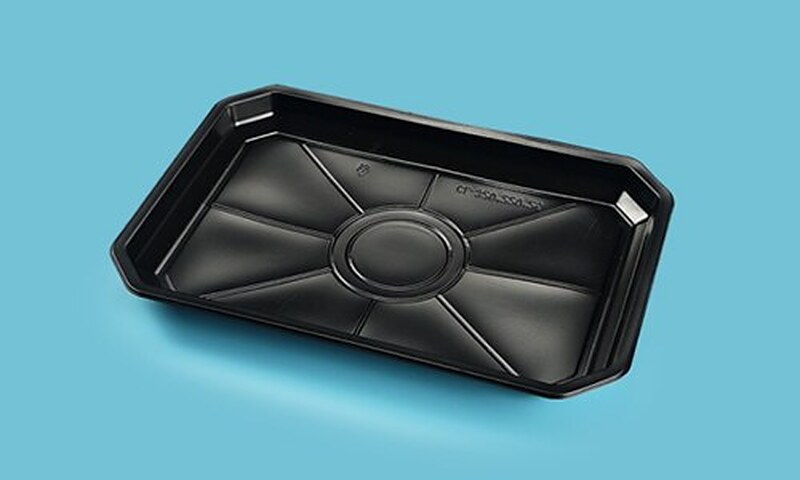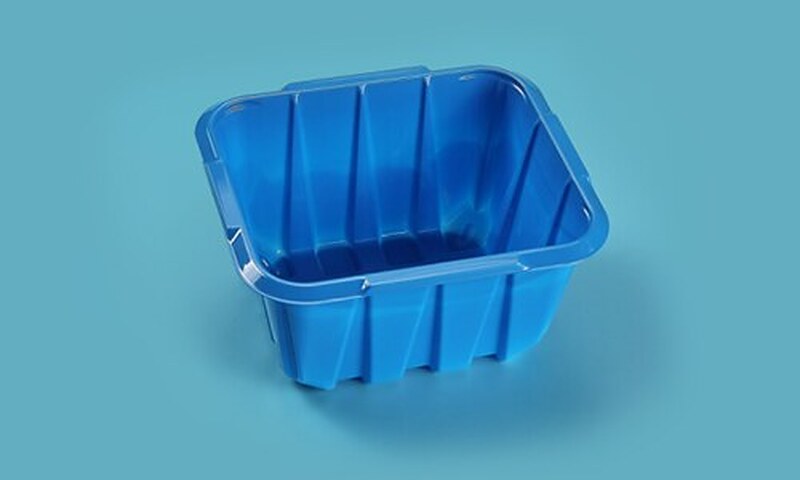
Meat Tray Buying Guide: MAP, Skin-Pack and Overwrap Trays
How wholesale buyers should specify meat and fresh-food trays: MAP vs skin-pack vs overwrap, PP material and color, sealer die matching, gauge, nesting, MOQ and incoming QC.
Read guide →Practical, technical guidance on materials, compliance and specifying wholesale food packaging — written for procurement, QA and packaging engineers.
How wholesale buyers should specify meat and fresh-food trays: MAP vs skin-pack vs overwrap, PP material and color, sealer die matching, gauge, nesting, MOQ and incoming QC.
Read guide →
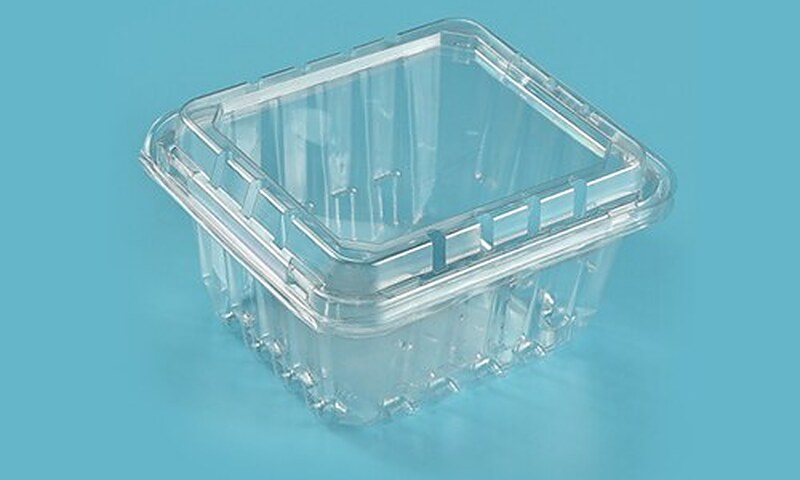
How to specify vented PET and rPET fruit clamshells: venting science, stack and tamper features, berry capacities, receiving checks and recycled-content documentation.
Read guide →
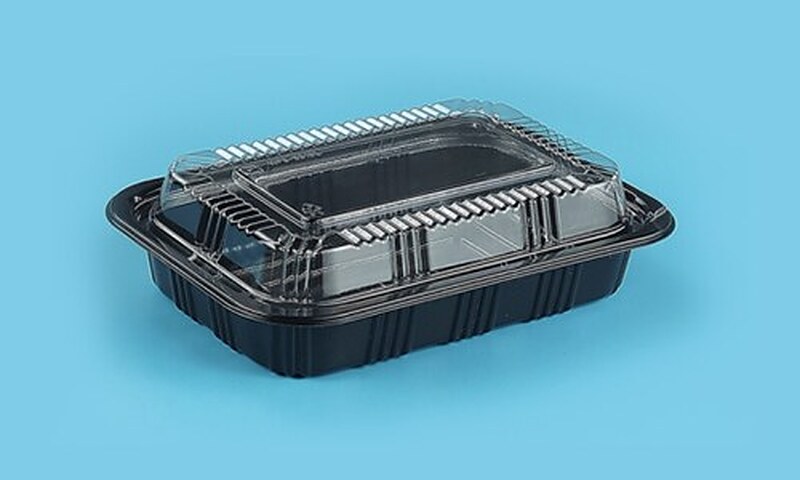
How to specify sushi trays and poke bowls: anti-fog lid options, tray/lid sizing from hand rolls to platters, black-base vs clear, and cold-case sealing.
Read guide →
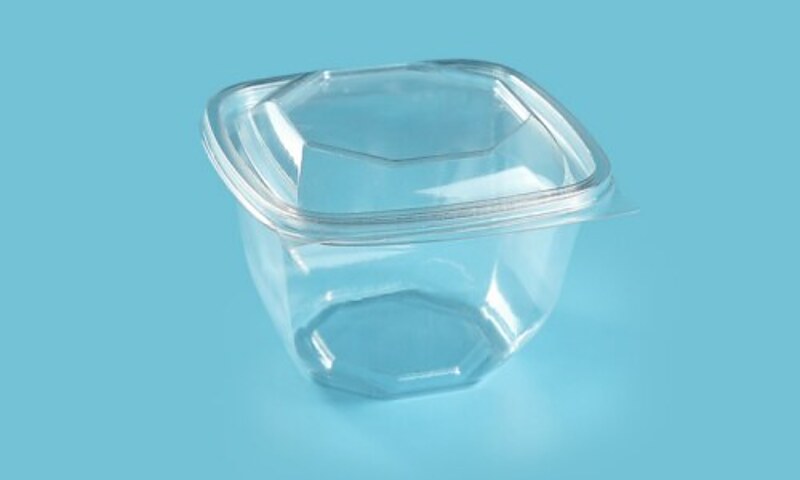
How to specify wholesale salad and deli containers: hinged vs bowl-and-dome formats, leak-resistant lid engineering, compartment options, capacity sizing and material choice.
Read guide →
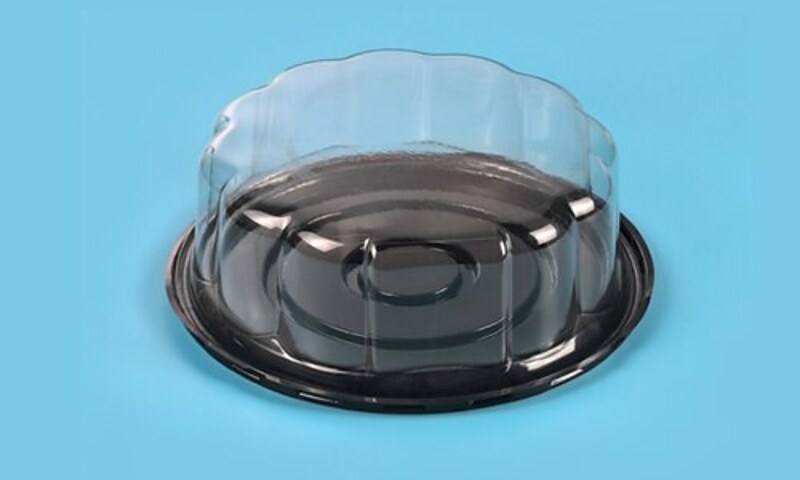
How to specify plastic bakery and cake boxes: dome height for tall cakes, PET clarity vs PP rigidity, base rib strength, stacking and sizing from single-slice bowls to large cake boxes.
Read guide →
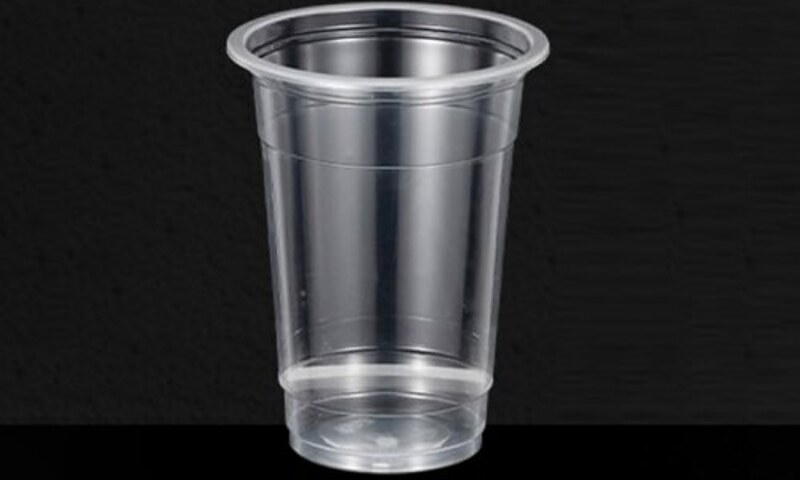
How to specify wholesale plastic cups, portion cups and sauce cups: PP vs PET selection, hot-fill vs cold-fill, sipper and dome lid options, sizing and printing.
Read guide →
How to specify fast food and compartment packaging: bagasse vs PP trade-offs, compartment layouts, grease resistance, vent design and delivery-stack strength.
Read guide →
How to choose PP or CPET frozen food trays for dumplings, ready meals and steam buns — sizes, sealing compatibility, MOQ and lead times.
Read guide →
What 'microwave safe' really means. Compare PP, CPET, PET, paper and bagasse for microwave, oven and freezer use, with temperature ranges and testing tips.
Read guide →
How to stop food containers leaking in delivery: snap-fit lids, heat-seal film, peelable seals, anti-fog, tamper evidence and the tests that prove a pack is leak-proof.
Read guide →
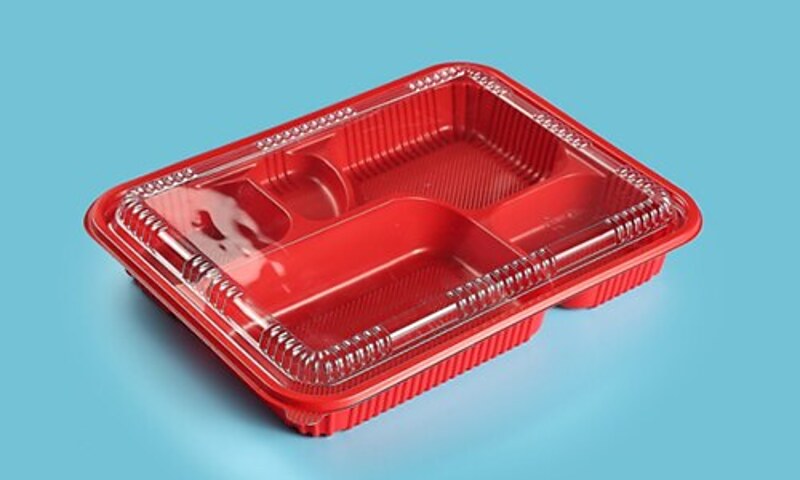
How to choose meal prep and bento containers in bulk: compartment layouts, PP vs CPET vs paper, lid types, microwave and freezer use, sizes, stacking and cost per meal.
Read guide →
How to choose cups for bubble tea, iced coffee and cold drinks: PP vs PET vs paper, sizes, dome and flat lids, sealing film, straws and leak testing for wholesale buyers.
Read guide →
How to choose ice cream and frozen dessert packaging: PP tubs, paper cups, PET domes, lids, freezer-brittleness, condensation, tamper evidence and compliance for importers.
Read guide →
How to choose absorbent pads for meat, poultry and fish trays: pad construction, absorption capacity, sizing, antimicrobial options and food-contact compliance.
Read guide →
A practical buyer's comparison of PET, rPET, PP and CPET for food packaging: clarity, temperature, sealing, recycling and which resin fits meat, produce, salads and ready meals.
Read guide →
How to choose between CPET and PP for frozen and ready-to-eat meal trays: oven safety, freezer performance, sealing compatibility and cost.
Read guide →
What "compostable" actually means, how bagasse compares to PLA and kraft paper, and the labeling claims to get right before you print a package.
Read guide →
How to choose coated kraft paper for food boxes, bowls and cups: PE, PLA and water-based barrier coatings compared on grease, liquid, heat, recyclability and cost.
Read guide →
How MAP works for meat, poultry, fish and fresh food: EVOH barrier trays, lidding films, gas mixes, oxygen transmission rates and how to specify a pack for longer shelf life.
Read guide →
Why gram weight drives food packaging cost, how to lightweight trays and containers safely, which tests prove strength, and how to compare quotes fairly.
Read guide →
What US importers and retailers should request from a plastic food-packaging factory: FDA 21 CFR declarations, migration testing and batch traceability.
Read guide →
What EU importers should request from a plastic packaging factory: EU 10/2011 Declaration of Compliance, REACH, migration testing and traceability.
Read guide →
What PFAS are, why they appear in grease-resistant food packaging, how US state laws and the EU PPWR restrict them, and how to test and source PFAS-free packaging.
Read guide →
The real difference between recyclable, compostable and biodegradable food packaging, what evidence each claim needs, and how to avoid greenwashing risk in the US, EU and UK.
Read guide →
A step-by-step guide for buyers sourcing disposable food packaging direct from a Chinese factory: stock vs custom MOQ, tooling lead time, FOB/CIF shipping, QC and the documents to request.
Read guide →
How to calculate the true landed cost of food packaging from China: FOB vs CIF vs DDP, cartons per 20GP/40HQ container, LCL vs FCL, duties and hidden costs.
Read guide →
How importers inspect food packaging before and after shipment: AQL sampling, critical/major/minor defects, pre-shipment checks, test methods and what to do when a lot fails.
Read guide →
Why food packaging MOQs exist, what drives unit price, how tooling and printing change lead time, and how to negotiate smaller first orders without losing quality.
Read guide →
A practical guide for importers in Spain and Latin America: choosing products, compliance documents, Incoterms, shipping, customs and receiving food packaging from China.
Read guide →
How to choose a branding method: direct offset/flexo printing vs printed labels vs shrink sleeves vs IML, Pantone color matching, proof approval and MOQ by method.
Read guide →
How to develop private-label food packaging: OEM, ODM and custom mould compared, tooling cost drivers, development timeline, sample approval and how to protect your design.
Read guide →Send sizes, material, quantity and print requirements — or a sample reference. We reply with factory pricing within one business day.