Most quality disputes in imported food packaging are not about a supplier lying; they are about two parties who never agreed in writing what "acceptable" means. A tray with a few scuffs, a lid that fits slightly tighter than the sample, or a carton count that is two pieces short can all be argued either way unless the inspection standard was fixed before production. This guide explains how importers use AQL sampling and a staged inspection plan to turn quality into something measurable, which defects matter for food contact, and what to do when a lot does not pass. It pairs with our landed cost and container loading guide and the sourcing guide.
Four Inspection Stages, and Which Ones You Actually Need
- Pre-production sample approval. You approve a physical sample (and, for custom items, a printed proof) against a written specification. This is the single cheapest quality control step, and everything later is measured against it.
- During-production check. Done when roughly 20–50% of the order is complete; it catches systematic problems (wrong gauge, colour drift, trimming issues) while there is still time to correct them. Worth it for first orders and custom products.
- Pre-shipment inspection (PSI). Done when production is complete and most cartons are packed, before the balance payment and before the goods leave the factory. This is the main AQL inspection.
- Container loading check. Confirms the right cartons, quantities and marks are loaded and the container is in good condition. Useful for high-value or mixed-SKU shipments.
For repeat orders from a supplier with a clean history, many buyers reduce this to approved samples plus a pre-shipment inspection. For a new supplier or a new product, keep all four until results justify relaxing them.
AQL Sampling Explained
AQL (Acceptance Quality Limit) is a sampling method, defined in the international standard ISO 2859-1 (equivalent to ANSI/ASQ Z1.4), that decides whether a lot passes by inspecting a random sample rather than every piece. Two choices set the plan: the inspection level (General Level II is the usual default) and the AQL value for each defect class. A common convention for consumer and packaging goods is AQL 0 for critical defects, 2.5 for major and 4.0 for minor, but you may tighten or loosen these by agreement.
Sample size depends on lot size. At General Level II the standard assigns:
| Lot size (pieces) | Sample size | Max major defects accepted at AQL 2.5 | Max minor defects accepted at AQL 4.0 |
|---|---|---|---|
| 1,201 – 3,200 | 125 | 7 | 10 |
| 3,201 – 10,000 | 200 | 10 | 14 |
| 10,001 – 35,000 | 315 | 14 | 21 |
For larger lots the standard assigns larger samples; read the exact figures from ISO 2859-1 or the calculator your inspection company uses, and confirm them rather than relying on this summary. Two practical points: a lot is judged on the number of defective pieces found in the sample, not on the percentage of the whole lot, and sampling only works if the samples are drawn randomly across many cartons, not from the top layer of one carton. For a pallet-built order, open cartons from different pallets and positions.
Classifying Defects: Critical, Major, Minor
Agree the classification list in writing before production. A workable starting point for food packaging:
| Class | Meaning | Examples |
|---|---|---|
| Critical | Food-safety risk or illegal to sell; zero tolerance | Foreign matter or visible contamination, strong chemical odour, sharp or broken edges that could injure, material or markings that contradict the approved specification |
| Major | Prevents normal use or is clearly unacceptable to the end customer | Cracks or splits, warping that stops lids seating, seal-flange defects, short shot or thin spots, wrong size or colour, leaking lid, print smearing or wrong artwork, wrong quantity per carton |
| Minor | Cosmetic or marginal, does not affect function | Light scuffs, small flash or trim marks within agreed limits, slight colour shade variation within the limit sample |
A limit sample (a physical sample showing the worst acceptable condition for cosmetic points) removes much of the subjectivity from minor defects. Keep one signed by both sides.
What to Check on the Shipment
- Dimensions and fit: measure length, width and height against the specification with the agreed tolerance; check that lids seat on bases from several different cartons.
- Weight and wall thickness: weigh a sample of pieces against the approved weight; thin spots usually show first at corners and rib bases.
- Appearance: clarity, colour consistency, surface cleanliness, trimming quality and flash.
- Odour: open a sealed bag from the middle of a carton and smell it; a strong solvent or chemical odour is a stop sign for food contact.
- Print and labelling: artwork and Pantone match against the approved proof, rub and tape adhesion test on printed areas, correct barcode and carton marks.
- Packing: pieces per carton, carton dimensions and gross weight, inner bag condition, carton strength, pallet and container marks.
- Quantity: a count of cartons against the packing list.
Simple Functional Tests You Can Run or Request
Beyond visual checks, a short set of functional tests catches most problems that matter in service. Fit and leak test: fill a sample container with coloured water, close the lid, invert and hold for the agreed time. Stack and crush test: load a column of filled units to the specified stack height for the specified time. Drop test at the temperature the product will actually see: for frozen applications test at freezer temperature, since a tray that survives a room-temperature drop can still crack when frozen (see our frozen food tray guide). Seal strength: run the tray and lidding film together through your sealer and check seal integrity after a simulated reheat. Heat test: for microwave or oven-rated items, run the actual reheat method on a filled sample.
These are practical checks, not substitutes for laboratory work. Migration and material testing belong to accredited labs; see the FDA and EU compliance guides for what to request.
Documents to Request Alongside the Goods
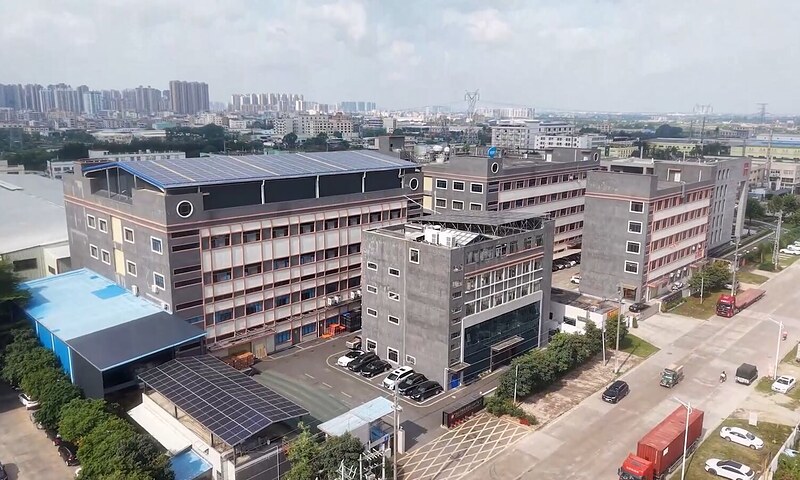
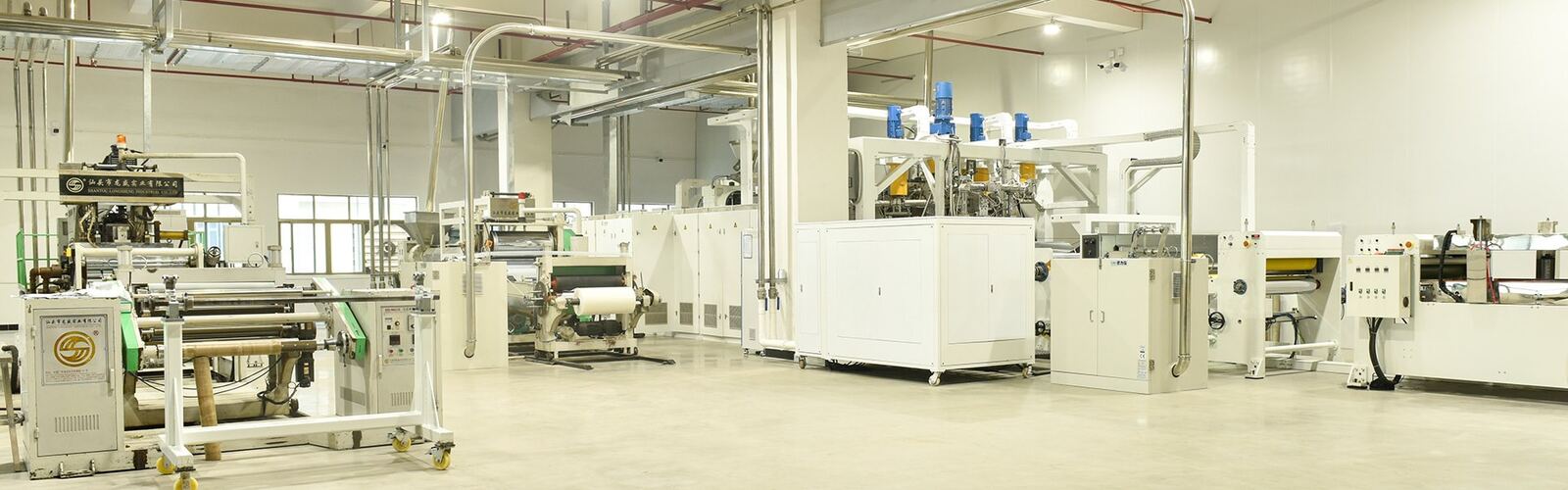
Ask for: the packing list and commercial invoice; a production batch or lot number printed or labelled on cartons so a problem can be traced back to a run; the approved specification and limit sample reference; third-party test reports where required for your market; and the supplier's own inspection record for the lot. Our factory operates under ISO 9001:2015 and BRCGS Packaging certification, and SGS third-party test reports are available on request, so batch traceability and inspection records can be provided with the shipment.
What to Do When a Lot Fails
If an inspection finds more defects than the plan accepts, do not release the shipment or the balance payment yet. First share dated photos, the defect count and the sample positions with the supplier the same day. Then agree one of the standard remedies: sort and rework at the factory with a re-inspection; replace the defective quantity; accept with a price adjustment if the defects are cosmetic and you decide the goods are still usable; or reject the lot. A critical defect, such as contamination or odour, should always lead to rejection. Re-inspect any reworked lot using a fresh random sample, not the same cartons.
Put It in the Purchase Order
Inspection only protects you if the standard is part of the contract. Write into the purchase order: the specification and its revision; the approved sample reference and limit sample; the inspection level and AQL values per defect class; the inspection stage and who may carry it out (your inspector, a third party, or both); the remedy hierarchy for failure; and the point at which the balance payment is released, typically after a passed pre-shipment inspection.
Buyer FAQ
What AQL should I use for food packaging?
Is AQL the same as a guarantee that no pieces are defective?
How many cartons should be opened for a pre-shipment inspection?
Do I need a third-party inspector?
When should the balance payment be released?
Can inspection replace migration or compliance testing?
Planning your first inspection?
Tell us the product, quantity and your target market — we will help you agree a specification, limit sample and inspection plan before production starts.
Related Guides