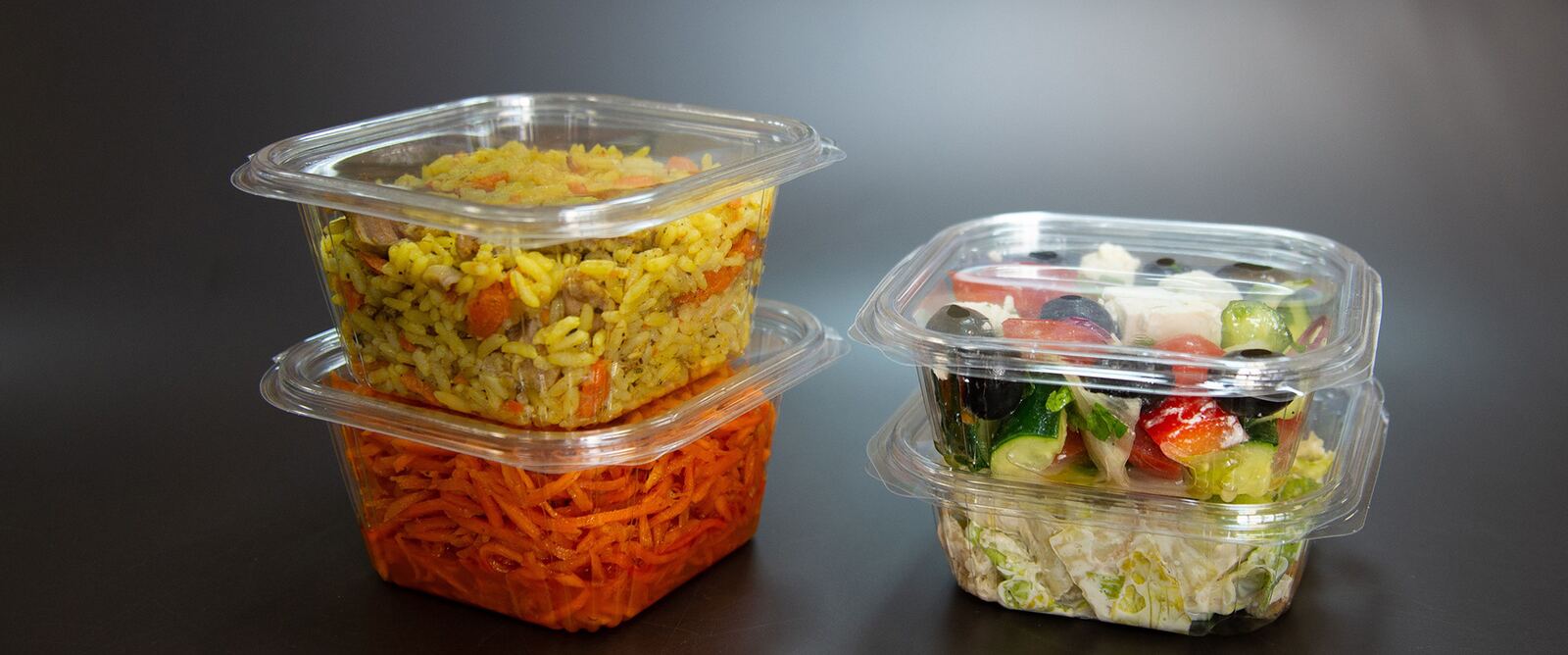
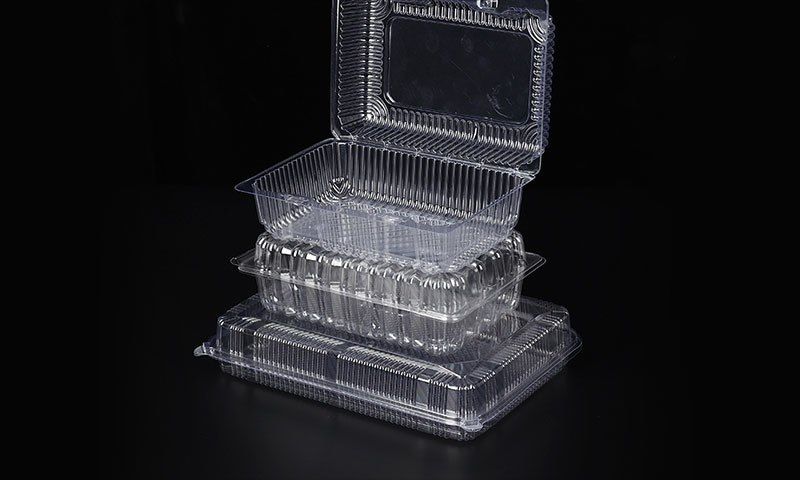
A meat tray has three jobs at once: seal reliably on the production line, survive a cold and sometimes abusive supply chain, and make the protein look worth buying. This buyer's guide walks through size, material, color, sealing and case-pack decisions for wholesale meat and fresh-food trays.
The Main Tray Types
- MAP trays (PP): modified-atmosphere trays with a precise flange, sealed with film and a gas mix to extend red-meat color and shelf life.
- Skin-pack trays (PP): a film skin drapes over the protein onto a flat-flange tray for a premium, leak-proof presentation.
- Overwrap trays (PP/EPS foam): the traditional foam or rigid tray wrapped with stretch film at the meat counter.
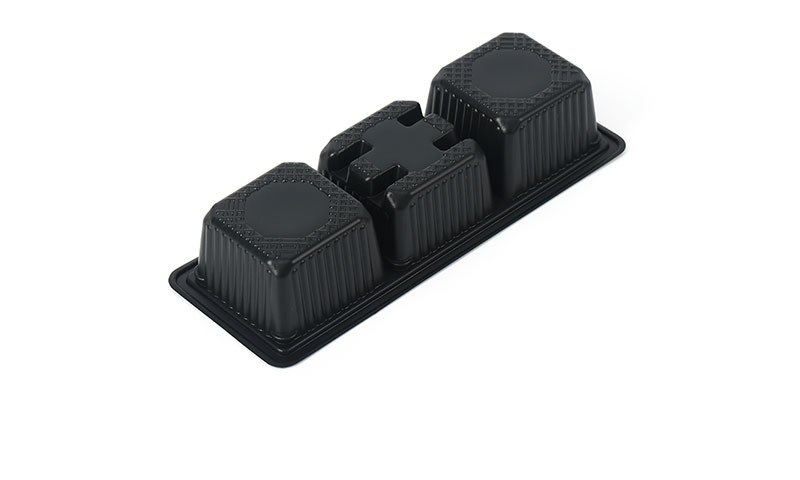
- Multi-compartment trays: separated cavities for marinades, garnish or multi-protein packs.
Start With Your Sealing Equipment, Not the Catalog
The single most common buying error is choosing a tray by dimensions alone. A tray must match the die and flange geometry of the tray sealer or thermoformer, the film being used, and the draw depth of the protein cut. Provide the factory with the machine model, die drawing or a physical sample tray before tooling.
Material and Color Decisions
Most wholesale meat trays are made from PP because of its toughness and temperature range; see our PET vs PP vs rPET vs CPET guide for how it compares to clear alternatives.
| Choice | Consideration |
|---|---|
| Black PP | Industry standard for beef — maximizes red-meat contrast and perceived marbling |
| White/clear PP | Common for poultry, pork, seafood and lighter presentations |
| EPS foam | Low cost and insulating for traditional overwrap; less premium image |
| Gauge | Heavier gauge for deep draws, bone-in cuts and long distribution; balance against cost |
Sizing to the Cut and the Shelf
Match footprint to both the protein and the retail case. Common US programs run from small patty and cutlet trays through large family-pack and roast formats. Depth should clear the tallest cut without the film bridging or puncturing; bone-in products may need radius and gauge adjustments. Nesting geometry affects how many trays fit a case — and therefore freight cost and backroom storage.
Case Counts and Freight: The Math Buyers Skip
Two trays with identical footprints can ship very differently once nesting is factored in. A shallow, well-tapered wall lets trays stack tightly with minimal air gap, so more pieces fit in the same case and container; a steep or non-tapered wall wastes cube space on every single unit, and that waste compounds across a full truckload or ocean container.
- Ask for a nested-stack height at a stated count (e.g., height per 100 trays) rather than relying on wall thickness alone to estimate cube efficiency.
- Confirm case pack count and case dimensions before tooling is finalized — changing nesting angle after a mold is cut is expensive.
- Weigh gauge against freight savings. A slightly heavier gauge that improves stacking stability can sometimes lower total landed cost versus a thinner tray that ships fewer pieces per case due to poor nesting.
For high-volume programs, it is worth requesting nesting and cube data for two or three gauge options before locking a single tooling spec.
What 'Good' Looks Like at Incoming Inspection
- Consistent flange flatness — no warpage that breaks the seal.
- Uniform wall and corner thickness, no pinholes or thin spots.
- Clean cuts and no flash/shavings that contaminate the line.
- Reliable denesting — trays separate without jamming.
- Stable stacks and accurate case counts.
MOQ, Tooling and Lead Time
Stocked tray sizes are typically available from one carton for trials and smaller counters. A proprietary size or compartment layout needs tooling (commonly 12–20 days) and volume production generally starts around 50,000 pieces, with 15–30 day lead times plus ocean transit. Always validate pre-production samples on the actual sealing line before approving a run.
Compliance for Meat and Fresh-Food Trays
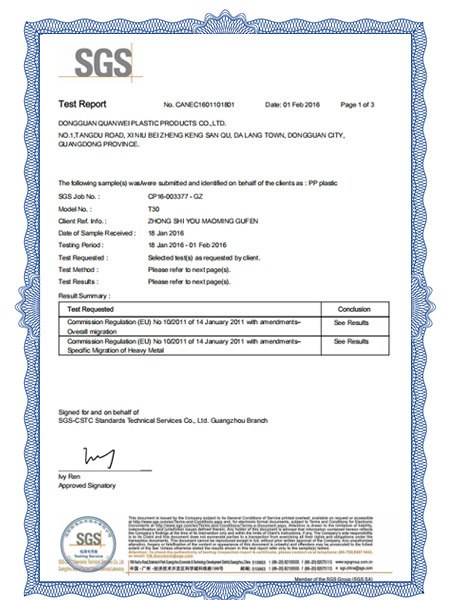
Meat and protein trays sit close to raw product and often go through cold-chain and MAP processing, so buyers should request the same baseline documentation covered in our FDA Food-Contact Compliance Guide: an FDA statement for the specific PP grade and colorant, migration data where relevant, and batch traceability so a single production lot can be isolated if a quality issue surfaces after distribution. Retailers auditing new protein-packaging vendors typically ask for this alongside the tray's own dimensional spec sheet.
Buyer FAQ
Why are most meat trays black?
Can you match our existing sealer die?
What MOQ applies to a custom tray size?
How do I reduce freight cost per tray?
What documentation should come with a meat tray order?
Does a heavier gauge always cost more per tray delivered?
Need a material or size recommendation?
Send your product, shelf temperature, sealing method and annual volume — our engineering team replies with a resin, gauge and format recommendation and factory pricing within one business day.
Related Guides