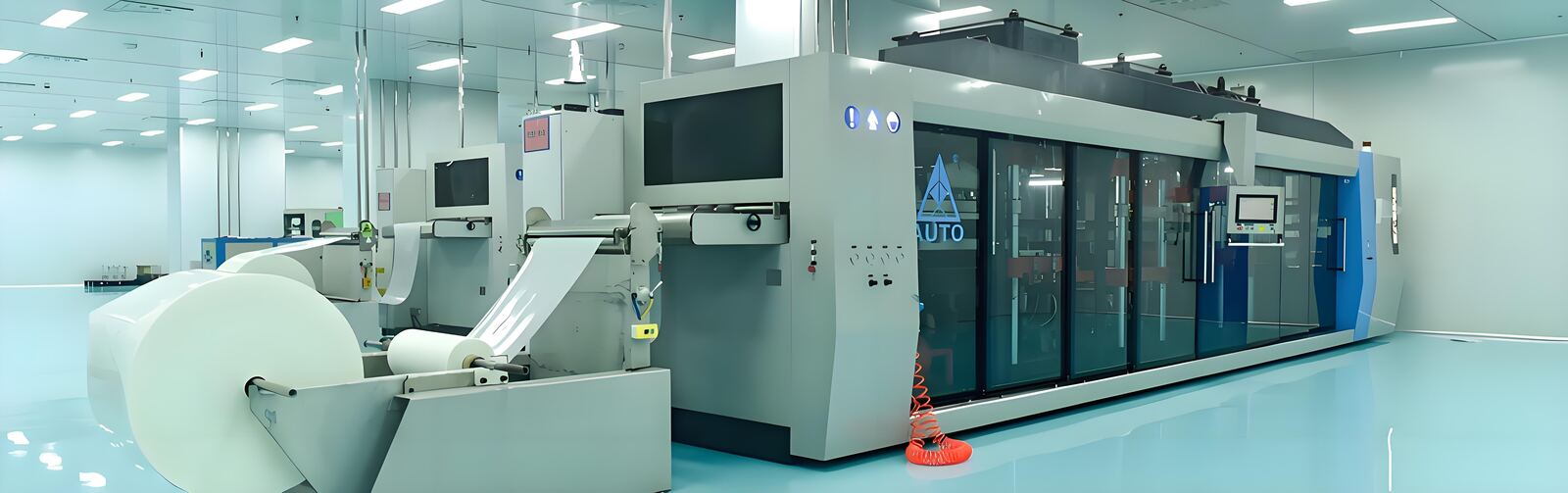
Sourcing food packaging directly from a Chinese thermoforming factory can cut cost significantly versus buying through a domestic distributor, but it also shifts more of the process — sampling, tooling decisions, shipping terms, QC — onto the buyer. This guide walks through that process step by step, from first inquiry to a container leaving port, so you know what to ask for and when.
The Sourcing Process, Start to Finish
- Inquiry: send your product type, target size, material preference, estimated annual volume and destination market.
- Quote & recommendation: the factory confirms whether a stock size matches your need or scopes a custom tooling quote, along with resin and compliance documentation available for that product.
- Sample approval: pre-production samples are sent for you to test in your actual filling, sealing and cold-chain conditions before committing to full production.
- Production: the factory runs the confirmed order, typically with an in-process quality check partway through the run.
- Pre-shipment inspection: a final inspection against your agreed sampling standard, ideally before the goods are loaded.
- Shipment & customs clearance: ocean freight to your port, followed by import clearance and final delivery to your warehouse.
Stock Sizes vs. Custom Tooling
This is the single biggest decision that shapes your MOQ, cost and lead time. Stock sizes use cavities the factory already owns, so there's no mold cost and orders can often start from a single trial carton or a modest case quantity. Custom tooling — a new shape, size, cavity count or compartment layout — requires the factory to design and cut a new mold, which is a fixed cost spread across your order and comes with a meaningfully higher MOQ, typically starting around 30,000–100,000 pieces depending on complexity. If you're testing a new market or program, starting with the closest stock match before committing to custom tooling is usually the lower-risk path.
Tooling Cost & Lead Time
Mold design and fabrication for a new cavity typically takes about 12–20 days, followed by 15–30 days of production once the mold is approved. Get the tooling ownership terms in writing before you pay a mold fee: in most arrangements, once you've paid for a mold, you own the exclusive right to that shape and the factory can't sell the identical mold's output to another buyer, but the specifics should be confirmed in your purchase agreement rather than assumed.
Getting Samples Right
Request pre-production samples specific to your order, not just generic catalog samples pulled from stock. Test them under your actual conditions — your real filling weight, your sealing equipment if applicable, your cold-chain or freezer conditions, and your case-pack handling — before signing off. A sample that looks fine on a desk can still fail in your specific sealing machine or cold-storage cycle, and catching that before mass production is far cheaper than catching it after a container arrives.
Shipping: FOB, CIF and Container Loading
Two shipping terms come up most often: FOB (the factory delivers goods to the Chinese port and you arrange and pay for ocean freight from there) and CIF (the factory arranges and includes freight to your destination port in the quote). FOB gives you more control over freight forwarder choice and cost, while CIF is simpler for buyers without an existing freight relationship. Container loading varies significantly by product shape and nesting depth — a shallow, tightly nesting tray fits far more units per container than a deep bowl of similar footprint — so always ask your supplier for a loading estimate specific to your exact SKU rather than assuming a generic per-container count you've seen elsewhere. Ocean transit from South China to US West or East coast ports typically runs 25–40 days, plus origin and destination handling time on either end.
Payment Terms
A common structure is a deposit — often around 30% — at order confirmation, with the balance due before shipment or against a copy of the bill of lading. Paying 100% upfront to a supplier you haven't verified is a common way buyers get burned; a staged payment tied to production and shipment milestones protects both sides. Terms can shift over time as you build a longer track record with a supplier, but that's something to negotiate as the relationship develops, not assume on a first order.
Quality Control & Inspection
Ask for a pre-shipment inspection — either the factory's own in-house QC or a third-party inspector — checking dimensions, print registration if applicable, and a defined AQL (acceptable quality level) sampling rate before the goods are loaded. Request the inspection report and photos before the container sails rather than after it arrives; by then, your options for addressing a problem are much more limited.
Documents to Request Before You Commit
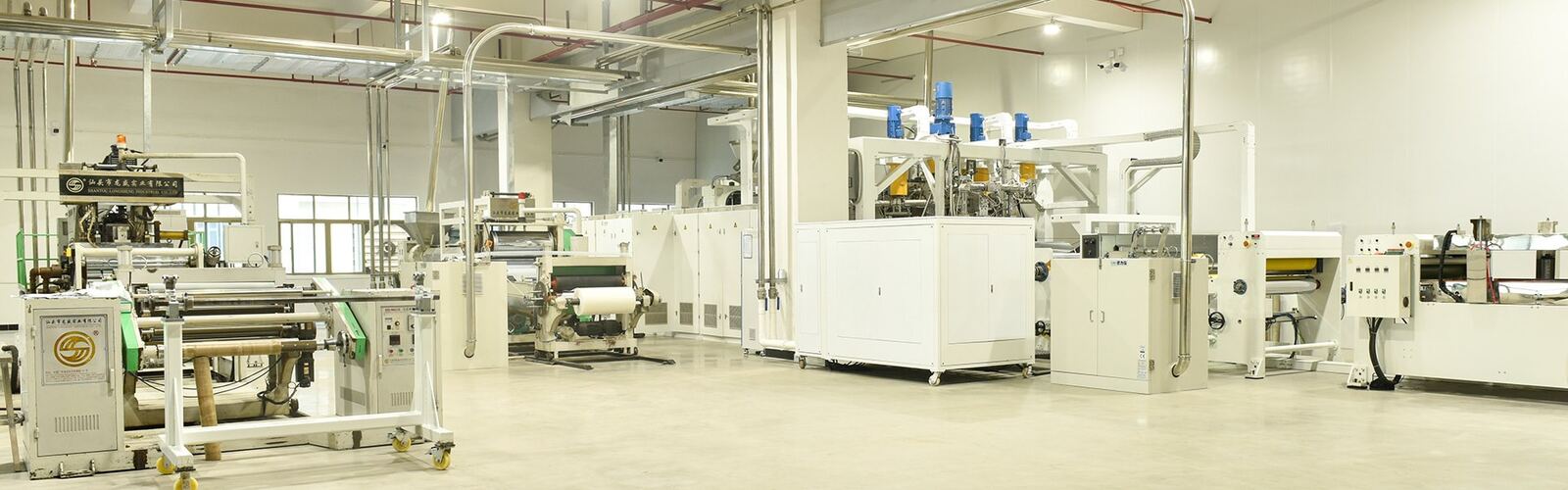
Before placing a significant order, ask for the documentation that supports your own compliance obligations: an FDA 21 CFR food-contact statement for the resin, EU 10/2011 migration test data if any goods are EU-bound, the factory's quality-system certification (such as ISO 9001), a recognized packaging safety standard certification (such as BRCGS), a third-party test report (such as an SGS report) covering the relevant resin, and batch traceability records. See our factory and QC page for the specific certifications and test documentation we maintain as an example of what a legitimate supplier should be able to produce, and our FDA compliance guide for the full checklist. Be cautious of any supplier claiming a certification they can't produce a current certificate for on request.
Typical Timeline, Inquiry to Delivery
| Stage | Typical duration |
|---|---|
| Inquiry & quote | 1–2 days |
| Sample approval | 1–2 weeks |
| Tooling (custom orders only) | 2–3 weeks |
| Production | 3–5 weeks |
| Ocean transit | 4–6 weeks |
A new custom-tooled program typically runs 2–4 months from first inquiry to delivery. A reorder of a stock item you've already qualified can move much faster, often 3–5 weeks total since sampling and tooling steps are skipped.
Red Flags When Vetting a Supplier
- Unwilling to share real factory photos, video or business registration details.
- Can't produce a current third-party test report for the resin used in your product.
- Quotes dramatically below the market range with no clear explanation of why.
- Refuses any form of pre-shipment inspection, in-house or third-party.
- No written terms on tooling ownership once you've paid a mold fee.
Buyer FAQ
What's a realistic MOQ for a first order?
Do we need our own mold, or can we start with stock sizes?
Who owns the tooling once we pay the mold fee?
What's the typical total lead time from inquiry to a container leaving port?
Can a factory ship samples before we commit to a full order?
What certificates should we ask for before placing a large order?
Evaluating a new packaging supplier?
Send your product type, target volume and destination market — our team will walk you through stock options, tooling scope if needed, and the certifications and test reports we can provide, within one business day.
Related Guides
FDA Compliance Guide
The full document checklist to request from any food-packaging factory.
Read the guide →
PET vs PP vs rPET vs CPET
How to choose the right resin before you scope a custom tooling order.
Read the guide →