A container that looks perfect on a shelf can still fail in a delivery bag. Leaks are the biggest source of customer complaints for takeaway, meal-kit and retail chilled food, and they usually trace back to the closure rather than the tray. This guide compares the three main closure systems, explains how to choose between them, and sets out simple tests to prove a pack will survive its real journey.
Why Packs Leak
- Mismatch of tray and lid tolerances. A rim that is slightly out of round or a lid that is slightly oversize leaves a path for liquid.
- Contaminated sealing surface. Sauce on the rim, or fat on a heat-seal flange, prevents a good seal.
- Internal pressure. Hot food releases steam; carbonation and fermentation produce gas. A sealed pack that cannot vent stresses its weakest point.
- Impact and stacking. A tall stack of boxes or a fall adds sudden hydraulic pressure.
- Wrong material pairing. Heat-seal film only bonds to a compatible sealing surface (for example a PP-compatible film on a PP rim).
Closure System 1: Snap-Fit Lids
A lid with a continuous rim that clicks over the tray. Cheap, reusable, and good for dine-in, salads and non-liquid food. A well-designed snap lid has a double-lock groove and a stacking ring so lids do not slide. Weakness: it resists light pressure but not a determined shake, and it is not tamper-evident on its own. See the compartment box guide and the salad container guide for typical lid styles.
Closure System 2: Heat-Seal Film (Lidding Film)
A thin film heat-sealed to the tray flange by a tray-sealing machine. It gives the best leak resistance and is the standard for ready meals, meat and fresh produce. Options include:
- Peelable seal: opens cleanly by hand, with a controlled peel force. Standard for retail trays.
- Weld (permanent) seal: strong, hard to open without tearing; used where bursting must be avoided.
- Anti-fog film: prevents condensation on the inside, keeping chilled produce visible.
- Vented or microwave-steam film: a pre-set vent releases steam on reheating.
- Barrier film: adds oxygen or moisture barrier for longer shelf life or modified-atmosphere packs.
The key rule is compatibility: the film's sealing layer must match the tray material. Our meat tray guide and frozen tray guide list which films pair with which trays.
Closure System 3: Combination and Special Closures
- Snap lid plus tamper-evident band or sticker: a cheap way to show a pack has been opened; common in delivery.
- Hinged clamshell with locking tabs: one-piece, fast to close, common for fruit and bakery. See the fruit clamshell guide.
- Sealed film then snap lid: double barrier for premium delivery, and a reclose option for the consumer.
- Screw or press-in cups: for sauces and liquids; see the portion cup guide.
Which Closure Fits Which Use
| Use case | Recommended closure | Why |
|---|---|---|
| Dine-in or short pickup, dry food | Snap lid | Lowest cost, easy to reopen |
| Delivery with sauces or soups | Snap lid with double-lock, plus tamper band; or film then lid | Leak resistance and tamper evidence |
| Retail chilled ready meal | Peelable heat-seal film | Best seal, tamper-evident, long shelf life |
| Frozen meal | Heat-seal film (cold-seal compatible grade) | Resists freezer stress and condensation |
| Fresh produce | Anti-fog film or vented clamshell | Visibility and moisture control |
Design Details That Matter
- Flange width. A flange that is too narrow reduces seal width. Typical flanges for film sealing are a few millimetres wide; agree this with the sealing-machine operator.
- Flange flatness. Warped flanges leak. Check thermoformed trays for flatness on arrival.
- Seal-surface cleanliness. Fill without splashing the flange; use a fill-line below the rim.
- Venting. If the food will be heated in the pack, include a vent route.
- Stacking and lid fit. Check that lids stay on in a full delivery bag.
Testing Whether a Pack Is Leak-Proof
- Inversion test: fill with coloured water to the real fill line, close, and invert on paper towel for 10 minutes.
- Shake or drop test: shake for 30 seconds, drop from table height, check for leakage at the seal.
- Pressure or vacuum test: for film seals, a bubble or pressure-decay test in a lab quantifies seal integrity.
- Transport simulation: pack a delivery bag with the real number of containers and drive a typical route, or use a vibration table.
- Shelf-life check: store at real temperature and repeat the test at end of life.
Record each test with the pack variant and lot so that any complaint can be traced. For the broader incoming-check approach, see the AQL inspection guide.
Tamper Evidence and Regulation
Some markets and platforms expect delivery food to show whether the pack has been opened. A tamper-evident band, seal sticker or heat-seal film all meet the commercial expectation, though the specific legal requirement varies by country. Check the rules for your destination, and confirm the food-contact compliance of the film and adhesive; our FDA and EU guides cover the basics.
Tell us the food, route and shelf life, and we will recommend the tray, lid or film combination, and supply samples to test. Contact us to get started.
Buyer FAQ
What is the best way to prevent leaks in delivery food packaging?
What is peelable lidding film?
Do I need a sealing machine to use lidding film?
What does anti-fog film do?
How can I test whether a container is leak-proof?
Questions about this guide?
Tell us your product, quantity and target market — our engineers will help you apply it to your project.
Related Guides
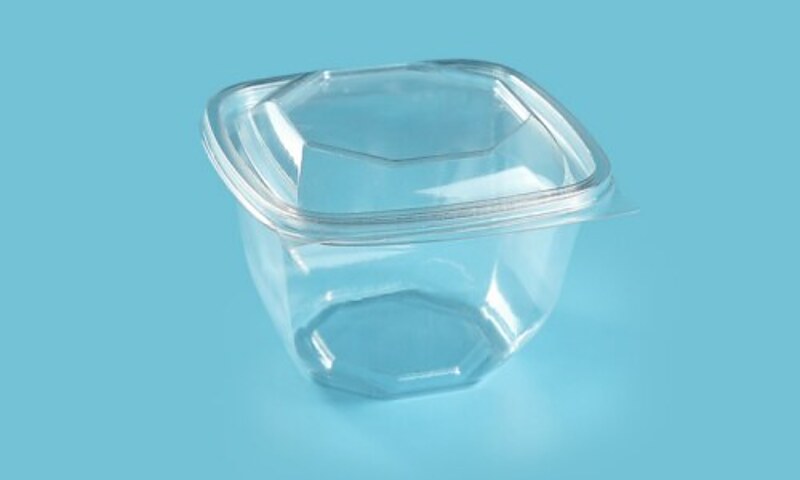
Salad & Deli Container Buying Guide: Leak-Resistant Lids,…
How to specify wholesale salad and deli containers: hinged vs bowl-and-dome formats, leak-resistant lid engineering,…
Read guide →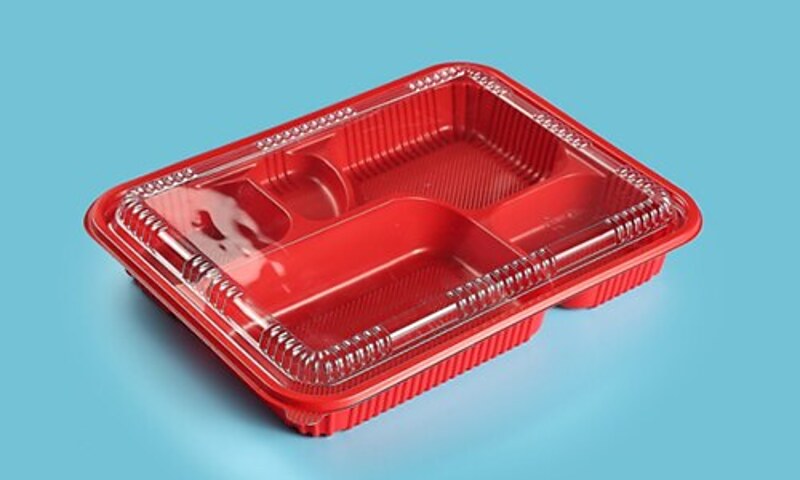
Meal Prep and Bento Containers: A Wholesale Buying Guide for Food…
How to choose meal prep and bento containers in bulk: compartment layouts, PP vs CPET vs paper, lid types, microwave and…
Read guide →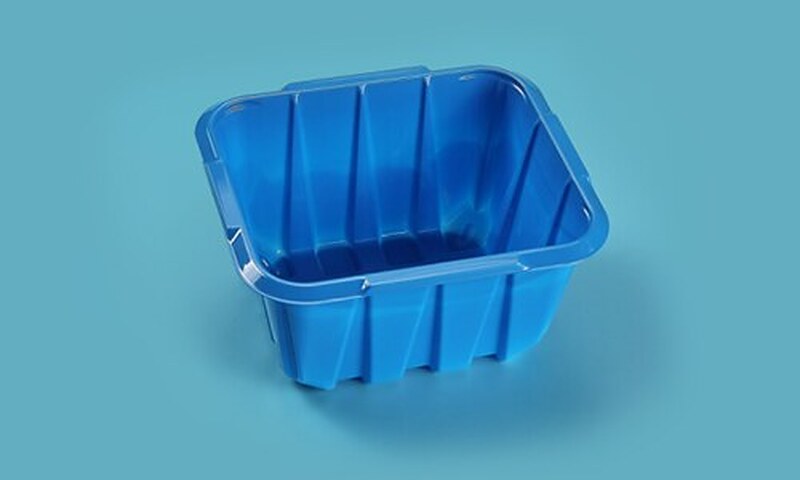
Modified Atmosphere Packaging (MAP): Barrier Trays and Films That…
How MAP works for meat, poultry, fish and fresh food: EVOH barrier trays, lidding films, gas mixes, oxygen transmission rates…
Read guide →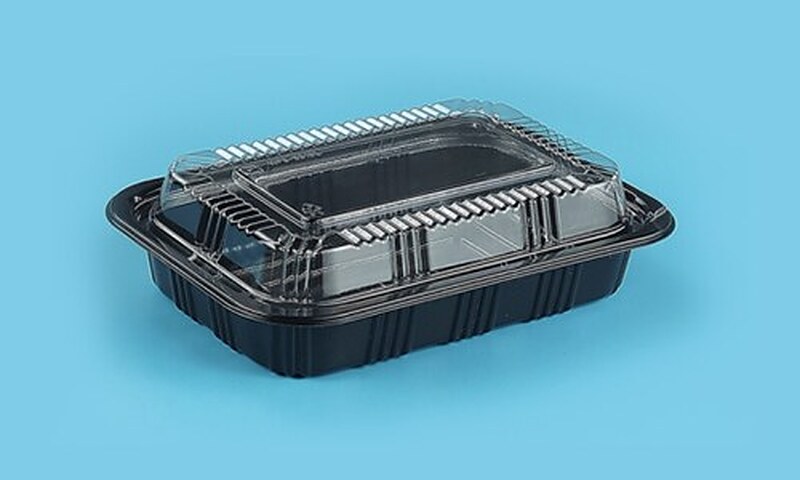
Sushi Tray Buying Guide: Anti-Fog Lids, Sizing and Display
How to specify sushi trays and poke bowls: anti-fog lid options, tray/lid sizing from hand rolls to platters, black-base vs…
Read guide →