New importers usually ask three questions in the first email: what is the minimum order, what is the price, and how fast can it ship. The honest answers all depend on the same few factors: whether the item is a stocked standard or custom, whether it is printed, and how well the order fits the way the factory runs its machines. Understanding that logic lets you negotiate a smaller, cheaper, faster first order without pushing a supplier into cutting corners.
Why MOQs Exist
A thermoforming or injection line spends real time on set-up: changing the mould, heating the sheet or resin, adjusting trimming and stacking, then running quality checks on the first pieces. That fixed set-up cost is spread across the run. Print adds plates or cylinders, colour matching and wash-up. A factory that accepts a run too small to absorb those costs either loses money or recovers it from the next customer, and neither is sustainable. MOQ is therefore a function of set-up cost ÷ acceptable per-piece overhead, not an arbitrary number.
Typical MOQ Ranges
| Order type | Typical MOQ (indicative) | Why |
|---|---|---|
| Stocked plain item, existing mould | One or a few cartons up to one pallet | Already produced or in stock; limited set-up |
| Plain item, made to order | Tens of thousands of pieces | Needs a production slot and material purchase |
| Custom printed or branded | Often tens of thousands per design | Plates, colour matching, print set-up |
| Custom shape (new mould) | Usually higher, plus tooling fee | Mould cost is amortised over volume |
These ranges are indicative and vary by material, size and factory. The practical point: buying a stocked standard item is the cheapest way to start, and moving to printed or custom items later is easier once the relationship has history.
What Drives Unit Price
- Material and weight. Resin or board weight is usually the largest cost line. A 30-gram tray costs materially more than a 24-gram tray with the same footprint. Price per piece is only comparable at the same gram weight.
- Resin grade and recycled content. Virgin vs recycled material, microwave-grade vs standard, and barrier coatings all move price. See the PET vs PP vs rPET guide.
- Order quantity. Price steps down with volume because set-up and freight are spread wider. Ask for a tiered quote at three quantities.
- Printing and finishing. Number of colours, coverage, special inks, lamination and embossing.
- Packing method. Nested or inner-bagged, carton size, pallet use. The packing spec controls how much fits in a container, which feeds directly into the landed cost.
- Incoterm and payment terms. FOB, CIF and DDP quotes are not directly comparable; always normalise.
Lead Time: Where the Weeks Go
Lead time is the sum of stages, and the stage you control least is usually the one you notice most.
- Stocked item: days to a couple of weeks (pick, pack, book container, export clearance).
- Made-to-order plain item: typically a few weeks including material purchase and production.
- Printed item: add time for artwork approval, plates or cylinders, a proof, then production. Artwork delays on the buyer side are the single most common cause of missed dates.
- New mould: add mould-making and sampling; expect this to be the longest stage, with a sample approval loop in the middle.
- Shipping: ocean transit is separate, from roughly two weeks to six or more depending on lane and port, plus clearance at both ends.
Ask every supplier to break lead time into stages in writing: artwork approval, production, QC, loading, sailing. Build a buffer for peak season (the weeks before Chinese New Year and the late-summer ocean peak).
How to Negotiate a Smaller First Order
- Start from the stocked catalogue. Choose items already moulded and in production. Explain it is a trial order with a clear plan to reorder.
- Mix items in one container (LCL or mixed FCL). Several SKUs from the same factory can share a shipment. This helps the factory too, because it clears several lines at once.
- Offer a forecast. A 6-month rolling forecast, even non-binding, lets the factory plan material and may unlock a lower MOQ and a better price.
- Be flexible on date. A longer lead time that lets the factory fit your run into a gap between larger jobs is worth money.
- Simplify print. One spot colour on a standard shape is the cheapest way to get a branded look. The custom printing guide explains the options.
- Do not buy on price alone. If a quote is far below the others, check gram weight, material grade and carton size before celebrating.
Protecting Quality at Low Volume
Small orders are where quality discipline slips on both sides. Agree a written spec (dimensions, gram weight, material, colour, packing), approve a pre-production sample, and apply a sampling-based incoming check on arrival. Our AQL inspection guide shows how to set it up. Our factory runs under ISO 9001:2015 and BRCGS Packaging, and SGS third-party reports can be supplied for the finished product.
Quote Request Checklist
- Item and size, or a sample or drawing.
- Material, gram weight and any barrier or microwave requirement.
- Print: colours, positions, artwork file.
- Quantities for three price tiers.
- Incoterm and destination port.
- Target delivery date and any compliance documents needed.
Send that list through our contact page and we will return a tiered quote with a stage-by-stage lead time.
Buyer FAQ
What is a typical MOQ for food packaging from China?
Can I order samples before a bulk order?
Why is one quote so much cheaper than another?
How long does a custom printed order take?
How can I reduce MOQ without paying much more?
Questions about this guide?
Tell us your product, quantity and target market — our engineers will help you apply it to your project.
Related Guides

How to Source Food Packaging from a Manufacturer in China: MOQ,…
A step-by-step guide for buyers sourcing disposable food packaging direct from a Chinese factory: stock vs custom MOQ, tooling…
Read guide →Food Packaging Landed Cost & Container Loading Guide: What One…
How to calculate the true landed cost of food packaging from China: FOB vs CIF vs DDP, cartons per 20GP/40HQ container, LCL vs…
Read guide →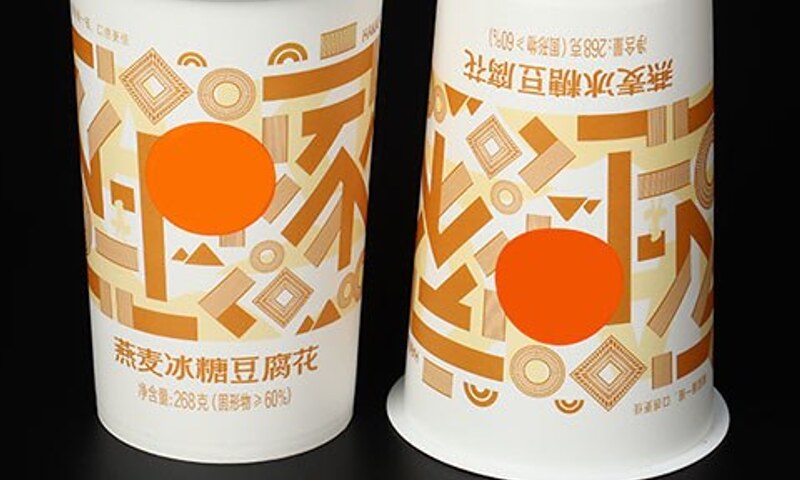
OEM vs ODM vs Custom Mould: How to Develop Your Own Food Packaging…
How to develop private-label food packaging: OEM, ODM and custom mould compared, tooling cost drivers, development timeline,…
Read guide →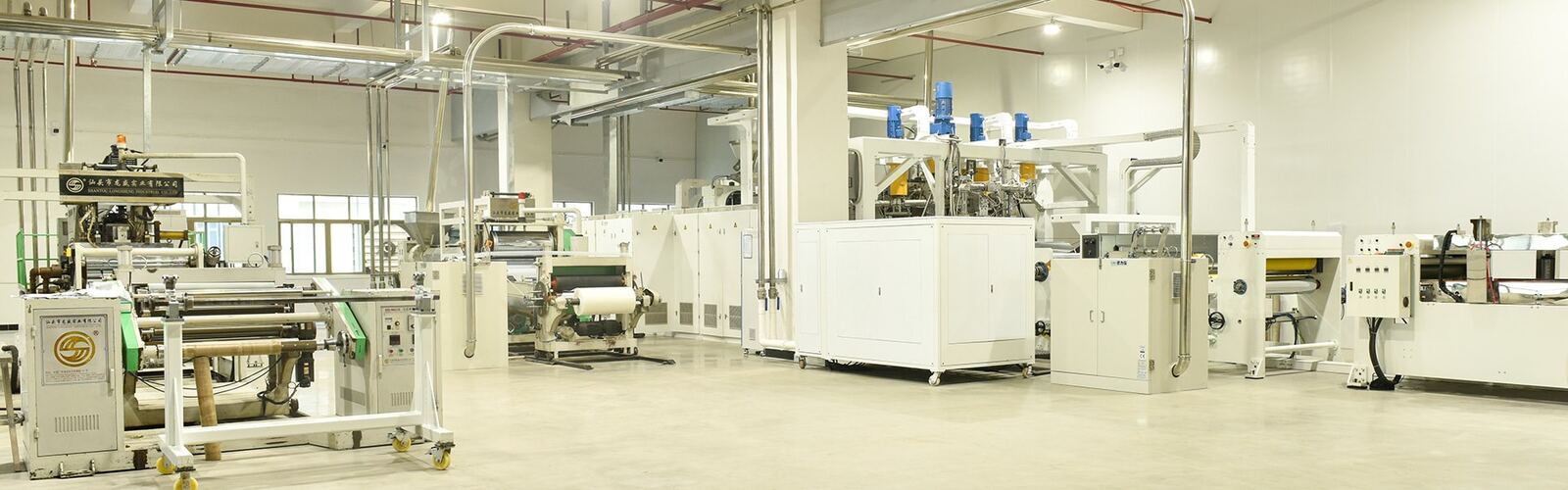
Incoming Quality Inspection & AQL Guide for Imported Food Packaging
How importers inspect food packaging before and after shipment: AQL sampling, critical/major/minor defects, pre-shipment…
Read guide →