Drink shops buy cups in the tens of thousands, so a small mistake in material, size or lid fit is multiplied across every order. Bubble tea, iced coffee, smoothies and juice each stress a cup differently: tapioca pearls need a wide straw and a sealed top, smoothies are thick and cold, and hot-then-iced drinks create condensation and thermal stress. This guide compares the main cup materials and the closure systems that go with them.
Cup Materials Compared
| Material | Strengths | Limits | Typical use |
|---|---|---|---|
| PP (polypropylene) | Tough, cheap, handles sealing film well, tolerates warm drinks up to roughly 100°C and cold | Usually translucent or frosted rather than crystal clear | Bubble tea, milk tea, iced drinks with film sealing |
| PET | Crystal clear, premium look, good for layered drinks and fruit | Softens at low temperature, so cold drinks only; usually not film-sealed | Iced coffee, smoothies, juice, fruit tea |
| Paper (coated) | Brand image, insulation, printable | Opaque, cannot show layers; coating decides performance | Hot and cold coffee, ice cream, take-away tea |
| PLA / compostable | Clear, plant-based story | Standard PLA softens around 50–60°C, so cold only | Eco-positioned cold drinks where composting exists |
For paper construction and barrier options see the kraft coatings guide. For the claim wording on eco cups, read the packaging claims guide.
Why Bubble Tea Shops Prefer PP with Film
A PP cup with a heat-sealed film is the standard bubble tea format for three reasons: the film seals the drink completely, so it does not spill in a delivery bag; the shop can stab the straw through the film for a clean, tamper-evident serve; and the sealing machine gives a consistent portion workflow. The machine seals the film to the cup rim, so rim quality is critical: a deformed or contaminated rim leaks. Our leak-proof packaging guide explains film types and testing.
Sizes and Diameters
Cups are described by capacity (for example 12, 16, 22 or 24 oz) and by rim diameter (commonly 90 mm or 95 mm for many drink formats, but standards vary). Rim diameter matters more than capacity for compatibility because lids, sealing film rolls and sealing machine moulds are all made to a specific diameter.
- Decide the rim diameter first and keep it consistent across sizes where possible.
- Confirm the film width and sealing mould match that diameter.
- Test the real capacity with ice and toppings, because usable volume is lower than the brim volume.
Lids: Flat, Dome, Sip and Straw Holes
- Flat lid: clean top, good for iced drinks with a straw, easy to stack.
- Dome lid: room for whipped cream, foam or toppings.
- Sip lid: for hot drinks; not for ice-cold use in most designs.
- Cross-slit or pre-cut straw hole: improves speed but is not tamper-evident on its own.
Straws and Tapioca Pearls
Tapioca needs a wide straw, commonly around 10–12 mm diameter, and a pointed or angled tip for piercing film. Choose a straw rigid enough to puncture the film without bending and check that it fits the lid hole. Paper and PLA straws vary in how long they stay firm in liquid, so test them for the hold time you need.
Condensation, Insulation and Sleeves
Cold drinks create condensation that makes paper cups soggy at the base and plastic cups slippery. Double-wall paper or an added sleeve helps hold temperature and grip. Keep the print area dry-compatible: ink should resist condensation rubbing. Branding options are covered in the custom printing guide.
Hot-and-Cold Drinks and Thermal Stress
A cup that handles cold tea may crack or warp with a hot fill. If your menu includes hot milk tea or hot-filled syrups, specify the highest fill temperature and ask for a test at that temperature. PET and standard PLA are not suitable; PP or properly lined paper is.
How to Test Before You Order
- Fill with the real drink and ice, seal and invert for 10 minutes.
- Pierce the film with your straw and check for tearing or leakage around the hole.
- Squeeze test: apply moderate pressure to the cup body to check the seal holds.
- Stack test: confirm nested cups separate easily and lids do not jam.
- Run a delivery simulation with several cups in a bag.
Compliance and Ordering
Ask for food-contact documents for the cup, lid, film and straw. Our factory operates under ISO 9001:2015 and BRCGS Packaging, and SGS third-party test reports can be supplied. See the FDA and EU guides for the framework. For first orders and printed cups, read the MOQ and lead-time guide, and for small sauce cups see the portion cup guide.
Tell us your menu, cup sizes, sealing machine model and volumes through the contact page, and we will recommend cups, lids and film and send samples.
Buyer FAQ
Is PP or PET better for bubble tea cups?
What size straw do I need for tapioca pearls?
What matters most when buying cups for a sealing machine?
Can I use PLA cups for hot drinks?
How do I stop cold drink cups sweating?
Questions about this guide?
Tell us your product, quantity and target market — our engineers will help you apply it to your project.
Related Guides
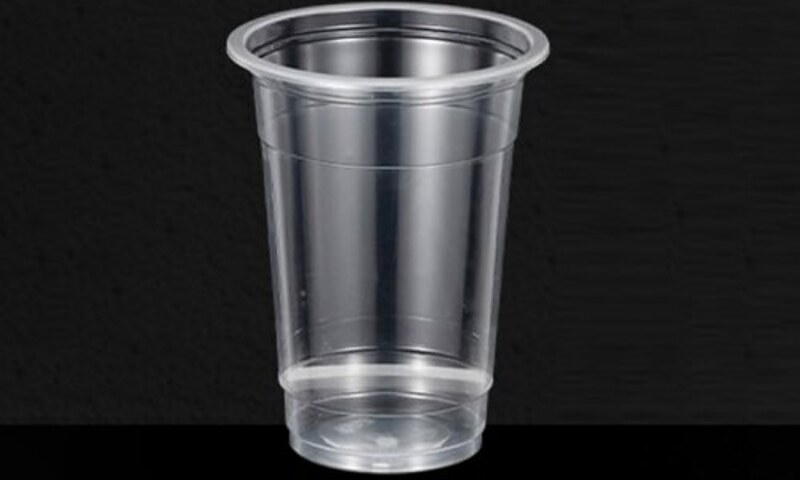
Plastic Cups & Portion Cup Buying Guide: PP vs PET, Sipper Lids…
How to specify wholesale plastic cups, portion cups and sauce cups: PP vs PET selection, hot-fill vs cold-fill, sipper and…
Read guide →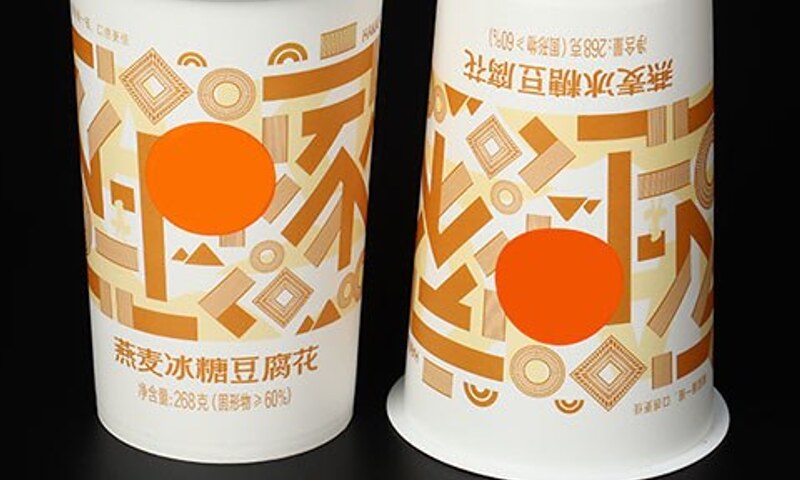
Custom Branding & Printing Guide for Food Packaging: Direct Print…
How to choose a branding method: direct offset/flexo printing vs printed labels vs shrink sleeves vs IML, Pantone color…
Read guide →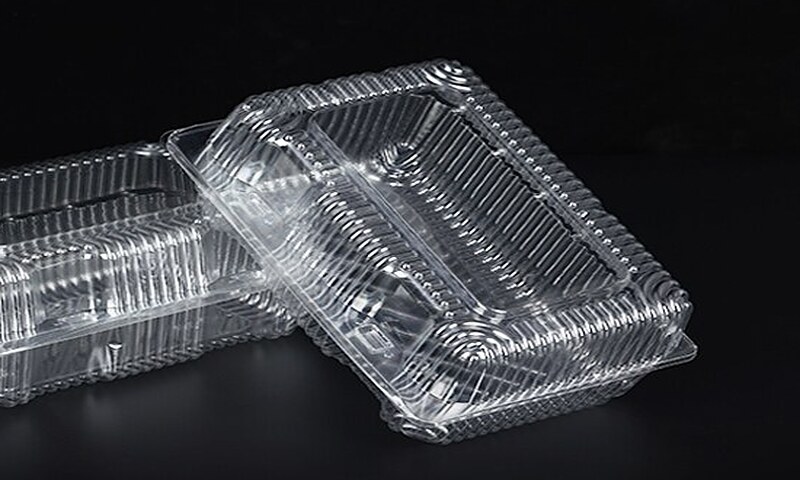
PET vs PP vs rPET vs CPET: How to Choose Food Packaging Plastics
A practical buyer's comparison of PET, rPET, PP and CPET for food packaging: clarity, temperature, sealing, recycling and…
Read guide →Gram Weight and Lightweighting: How Thinner Food Packaging Cuts…
Why gram weight drives food packaging cost, how to lightweight trays and containers safely, which tests prove strength, and…
Read guide →