Fresh meat, fish, poultry, ready meals and sliced produce all lose quality for two main reasons: oxygen drives spoilage and discolouration, and microorganisms grow in the headspace. Modified atmosphere packaging (MAP) replaces the air inside a sealed tray with a controlled gas mixture, extending shelf life by days or weeks without relying on preservatives. Getting it right depends on the tray, the film, the seal and the gas working together.
How MAP Works
A tray is filled, flushed with a gas mix and heat-sealed with lidding film in one step. The atmosphere inside then changes slowly as the product respires or absorbs gas, and as gases permeate through the pack. The barrier of the pack decides how long the target mixture lasts. A pack that lets oxygen in too quickly defeats the purpose.
Common Gas Mixes
| Product | Typical gases | Role of each gas |
|---|---|---|
| Red meat | High oxygen plus carbon dioxide | Oxygen keeps the bright red colour; CO₂ slows bacteria |
| Poultry | Carbon dioxide plus nitrogen | CO₂ inhibits spoilage bacteria; N₂ fills headspace so the pack does not collapse |
| Fish | Higher CO₂, low or no oxygen | Controls bacteria; oxygen avoided to limit oxidation |
| Ready meals, pasta | Nitrogen plus CO₂ | Limits oxidation and mould growth |
| Fresh-cut produce | Reduced oxygen with controlled CO₂, often with micro-perforation | Balances respiration with gas exchange |
Exact mixes and ratios depend on the product, microbiology and country rules. They should be set with the food technologist or packer, not by the packaging supplier alone.
Barrier: The Number That Matters
Barrier is measured as oxygen transmission rate (OTR), in cc of oxygen per square metre per day, and water vapour transmission rate (WVTR). Lower OTR means better barrier. A rough guide, with typical values varying by thickness and test conditions:
- Standard APET or PP tray without barrier: relatively high OTR; fine for short-life chilled food and fruit that needs to breathe.
- Barrier tray with EVOH layer: an ethylene vinyl alcohol layer sandwiched inside the tray wall cuts OTR dramatically. This is the standard for fresh meat, fish and cheese MAP.
- PA/PE or PET/PE with barrier layers for lidding film: film also needs low OTR, and often anti-fog treatment. The weakest of tray and film sets the pack's barrier.
EVOH is sensitive to moisture, so it is buried between layers of PP, PET or PE. For that reason barrier trays are laminated or co-extruded, not mono-layer, which affects both cost and recyclability. See PET vs PP vs rPET for base-material trade-offs.
Choosing the Tray
- Base polymer. APET for clear fresh display, PP for heat resilience and microwave, CPET for dual-ovenable ready meals. See CPET vs PP.
- Barrier layer. Specify EVOH or other barrier by target OTR, not just by name.
- Rigidity and flange. Flat, wide flanges seal better. Check flange flatness on arrival.
- Absorbent pad. Meat and poultry trays often include an absorbent pad for exudate. See the meat tray buying guide.
- Anti-fog and clarity. For consumer display, anti-fog on the film is critical.
Choosing the Lidding Film
- Match the film sealing layer to the tray (for example PE-based seal layer for PE-compatible tray surfaces).
- Choose peelable or weld seal depending on whether the consumer must open it by hand. Closure options are covered in the leak-proof packaging guide.
- Specify OTR and WVTR at the actual storage temperature and humidity, since both rise as temperature rises.
- Confirm printing and overprint varnish compatibility with the sealing machine.
Seal Integrity Is Everything
A tiny leak lets the gas out and air in, so shelf life collapses. Key controls:
- Clean flange with no product contamination at the seal.
- Correct seal temperature, pressure and dwell time for the film and tray pair.
- Residual oxygen checked with a gas analyser at the start and during runs.
- Leak testing by water immersion or a pressure test on samples from each run.
Shelf-Life Trials
Do not trust a brochure number. Run a trial with the real product, tray, film, gas mix and storage temperature. Measure microbiology, colour, odour and pack integrity at intervals until the product fails, then set the shelf life with a safety margin. Cold-chain breaks shorten life dramatically, so include a temperature-abuse test if the supply chain is uncertain. For quality checks on received packaging, see the AQL inspection guide.
Compliance and Documentation
The tray, film, adhesive and ink all need food-contact compliance for the intended food type, and multilayer barrier structures should be assessed as a whole. Request declarations of compliance and migration test results, and see the FDA and EU guides. Our factory operates under ISO 9001:2015 and BRCGS Packaging, and SGS reports can be provided for finished trays.
Specification Checklist
- Product, fill weight and target shelf life at stated temperature.
- Tray size, depth, base polymer and target OTR.
- Lidding film structure, OTR, anti-fog and seal type.
- Gas mix and sealing machine model.
- Compliance documents needed for the destination market.
Send the checklist to our team and we will recommend barrier trays and matching films, with samples to run your shelf-life trial.
Buyer FAQ
What is modified atmosphere packaging?
Why do MAP trays need an EVOH layer?
Can I use a normal PET or PP tray for MAP?
What gas is used for fresh meat?
How do I confirm my MAP shelf life?
Questions about this guide?
Tell us your product, quantity and target market — our engineers will help you apply it to your project.
Related Guides
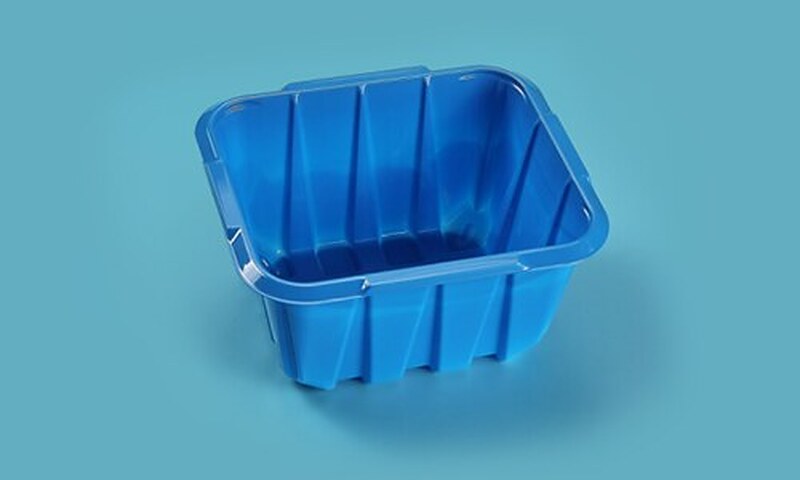
Meat Tray Buying Guide: MAP, Skin-Pack and Overwrap Trays
How wholesale buyers should specify meat and fresh-food trays: MAP vs skin-pack vs overwrap, PP material and color, sealer die…
Read guide →Absorbent Pads for Meat and Poultry Trays: Types, Sizing and Food…
How to choose absorbent pads for meat, poultry and fish trays: pad construction, absorption capacity, sizing, antimicrobial…
Read guide →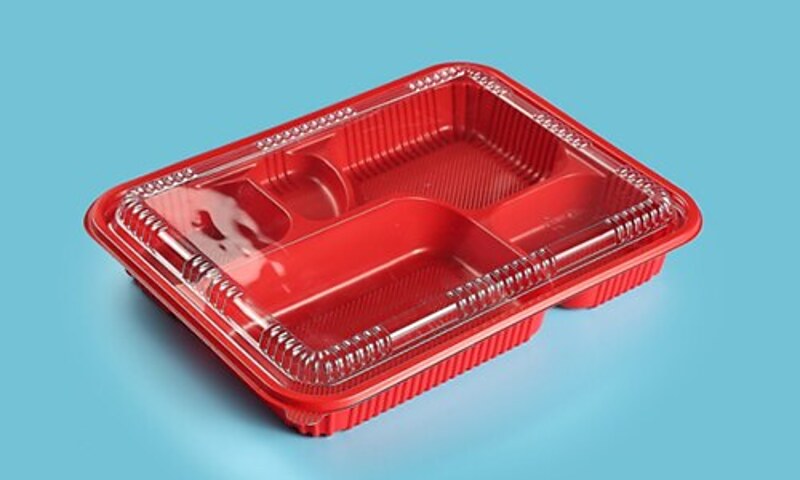
Leak-Proof Food Packaging: Snap Lids, Sealing Film and Tamper…
How to stop food containers leaking in delivery: snap-fit lids, heat-seal film, peelable seals, anti-fog, tamper evidence and…
Read guide →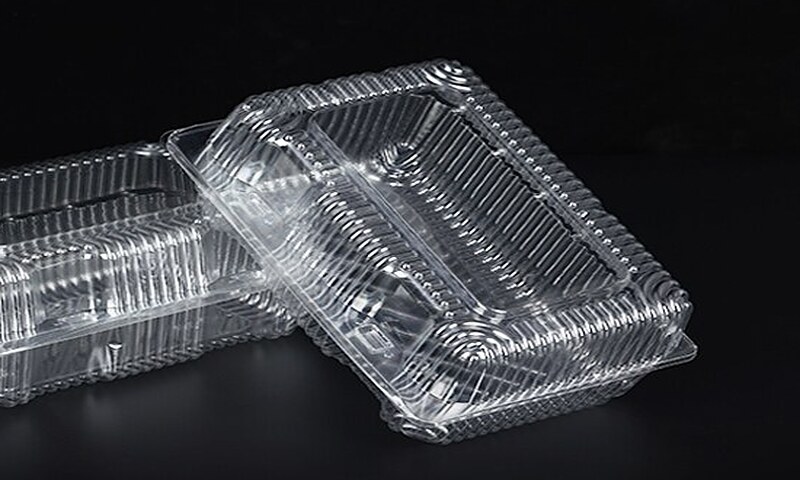
PET vs PP vs rPET vs CPET: How to Choose Food Packaging Plastics
A practical buyer's comparison of PET, rPET, PP and CPET for food packaging: clarity, temperature, sealing, recycling and…
Read guide →