"Compostable" is one of the most requested and most misused words in food packaging. Buyers who get the claim wrong on pack risk a greenwashing complaint or a regulatory penalty; buyers who avoid the category entirely miss a real, functional option for quick-serve and takeout formats. This guide separates the marketing language from the material science so you can specify bagasse packaging accurately.
What "Compostable" Actually Means
Compostable is not a synonym for biodegradable, and it isn't a synonym for recyclable. A material is genuinely compostable only if it breaks down into water, carbon dioxide and biomass within a defined timeframe, under defined conditions, without leaving toxic residue — and the honest answer to "compostable where?" matters enormously:
- Industrially compostable: breaks down under the high heat, moisture and microbial activity of a commercial composting facility, typically within 90–180 days. Most bagasse and PLA products fall here.
- Home compostable: breaks down in a backyard compost pile at lower, less consistent temperatures. A significantly smaller set of materials qualifies, and few rigid food-service items meet this bar.
- Biodegradable (unqualified): a much looser claim with no defined timeframe or conditions in most jurisdictions — regulators in several US states now restrict this term on packaging precisely because it's unverifiable.
The practical issue for most US buyers: unless your local waste hauler actually operates or accepts drop-off for industrial composting, a "compostable" clamshell your customer throws in a landfill-bound bin behaves like any other landfill waste. The material claim is only as good as the disposal infrastructure behind it — check your market's actual composting access before building a marketing campaign around the claim.
Bagasse: Where It Comes From and How It Performs
Bagasse is the fibrous pulp left over after sugarcane stalks are crushed to extract juice — a byproduct of an existing agricultural process rather than a crop grown specifically for packaging. The pulp is pressed and molded into rigid shapes using heat, similar in concept to a molded paper egg carton but denser and more rigid. The result is a sturdy, microwave-safe, oil- and moisture-resistant container that holds its shape for hot and cold foods alike, without the plastic lining that some paper-based alternatives require.
Bagasse vs PLA vs Kraft Paper
| Material | Source | Heat tolerance | Typical formats |
|---|---|---|---|
| Bagasse | Sugarcane fiber byproduct | Microwave-safe, holds hot and cold food | Clamshells, plates, bowls, trays |
| PLA | Fermented plant starch (usually corn) | Not microwave-safe; softens at moderate heat | Cold cups, cutlery, clear film/lids |
| Kraft paper | Wood pulp | Needs a coating or liner for wet/oily food | Bags, wraps, some bowl/cup constructions |
These three materials get lumped together as "eco-friendly" options, but they solve different problems. Bagasse is the rigid, heat-tolerant workhorse for hot food containers. PLA is prized for clarity in cold applications like cup walls and cutlery but generally can't go in a microwave and softens faster than PET in a hot car or delivery bag. Kraft paper alone isn't food-safe for wet or greasy food without a coating, which is itself worth asking about — some coatings are compostable and some are conventional plastic laminates that undercut the paper's own compostable story.
Labeling Claims to Get Right
Before printing "compostable" on a package, buyers should be able to answer three questions with real documentation, not marketing copy:
- Certified to what standard? In the US, the relevant standards are ASTM D6400 (compostable plastics) and ASTM D6868 (compostable packaging with a fiber component). Ask your supplier for the actual certificate and certifying body, not just a claim that the material "meets" the standard.
- Industrial or home compostable? These require different certifications and the difference matters to a customer trying to dispose of the item correctly.
- Does your local infrastructure support it? A true claim about the material doesn't guarantee a customer has anywhere to actually compost it — some brands add a line directing customers to check local composting availability rather than implying universal access.
FoodPack Source's bagasse line is made from compostable sugarcane fiber; we do not currently hold third-party ASTM D6400/D6868 certification on file for these items. Buyers who need a certified claim on pack should request current certification status before finalizing labeling copy, since certification can change and shouldn't be assumed from the material alone.
Common Bagasse Formats
- Hinged clamshells: single- and multi-compartment, the most common format for takeout mains and combo meals.
- Round plates: divided and undivided, for cafeteria and combo-plate service.
- Bowls: for rice bowls, noodles and sides.
- Flat trays and boats: for baked goods, hot dogs and single-item snacks.
Where Bagasse Isn't the Right Fit
Bagasse isn't a universal replacement for plastic. It doesn't offer the transparency that clamshells for bakery items or produce rely on to show off the product, so it's a poor fit anywhere shelf visibility drives the sale. It's also generally not designed for long-term freezer storage the way a PP or CPET tray is, so frozen and long-shelf-life ready meals are typically better served by those materials. And because bagasse has a slightly porous, fibrous surface, extremely liquid or oily foods held for extended periods may see more moisture transfer than a fully sealed plastic container.
Cost and Lead Time
Bagasse items typically cost more per piece than an equivalent-size PP container, reflecting both raw material and the molding process. Stocked standard sizes are usually available from a single carton for trial; custom shapes or branded embossing require new tooling, with lead times comparable to plastic tooling programs (roughly 15–30 days production after sample approval, plus transit).
Compliance
Bagasse used in food-contact applications still needs to meet FDA food-contact requirements the same as any other packaging material, and any specific compostability claim needs its own supporting certification as described above — one does not substitute for the other. See our FDA food-contact compliance guide for the general documentation checklist, and confirm compostability certification status separately and directly with your supplier before finalizing pack copy.
Buyer FAQ
Is bagasse the same as biodegradable plastic?
Can bagasse containers go in the microwave?
Can bagasse packaging be frozen?
Do we need certification to call something "compostable"?
Is bagasse more expensive than plastic clamshells?
What's the difference between industrial and home compostable?
Considering bagasse for a new product line?
Send your target format and any compostability claims you're hoping to make on pack — our team will confirm current stock options and certification status within one business day.
Related Guides
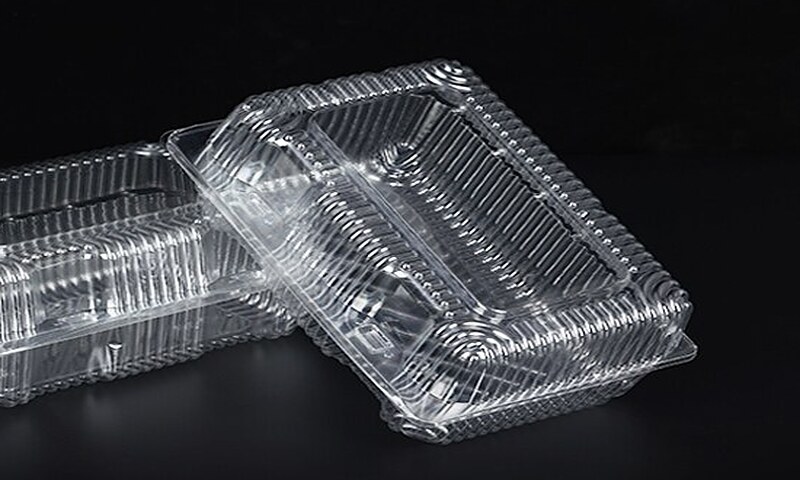
PET vs PP vs rPET vs CPET
How the plastic-side materials compare when bagasse isn't the fit.
Read the guide →
FDA Compliance Guide
The document checklist to request for any food-contact packaging.
Read the guide →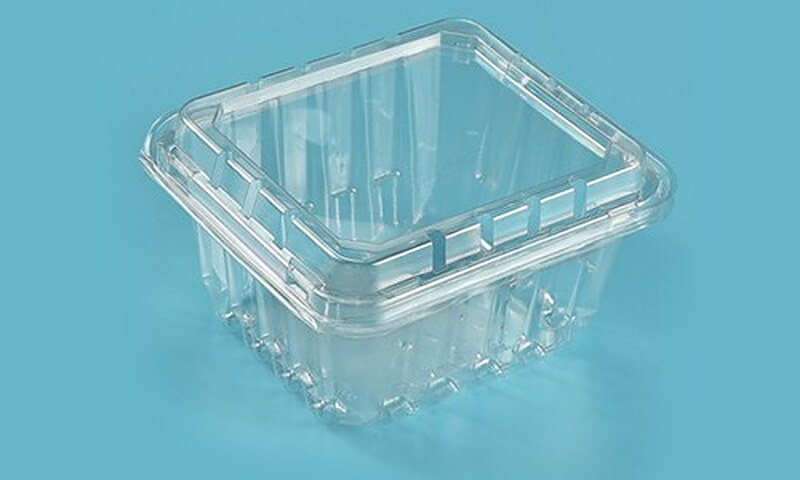
Fruit Clamshell Packaging Guide
Recycled-content documentation logic that applies here too.
Read the guide →