Ice cream looks simple to pack, but freezer storage at around −18°C or lower, repeated temperature swings, condensation and the weight of dense product all punish weak packaging. A tub that cracks when dropped from a freezer shelf, a lid that pops off after a temperature cycle, or a paper cup that turns soggy at the base will quickly cost more than any saving on unit price. This guide covers materials, formats and checks for ice cream, gelato, frozen yoghurt and dessert cups.
What Freezer Packaging Must Handle
- Low-temperature brittleness. Some plastics become fragile in a deep freeze and crack on impact.
- Thermal cycling. Moving from freezer to display case to a customer’s hand causes expansion, contraction and condensation.
- Moisture and frost. Cold surfaces collect condensation; paper must resist wicking and plastic must stay gripable.
- Fat and sugar. Cream and syrups can attack some coatings and inks over time.
- Closure security. Lids must stay on during transport and show if opened.
Format Options
| Format | Material | Best for |
|---|---|---|
| Take-home tub (500 ml to several litres) | PP, sometimes with in-mould label | Retail and food service; strong, stackable, tamper-evident lid |
| Scoop cup (single serve) | Coated paper or PP | Counter service and cafes |
| Dessert cup with dome lid | PET or PP | Parfaits, sundaes, frozen yoghurt with toppings |
| Small tasting cup | PP or paper | Sampling and gelato shops |
| Delivery pint | Paper with PE lining, or PP | Delivery apps; needs strong closure and insulation |
Material Notes
PP
The workhorse for take-home tubs. Impact-modified PP grades keep their toughness at freezer temperature, and PP resists fats and sugar. Ask whether the grade is rated for freezer use rather than assuming it is, since homopolymer PP can become brittle in deep freeze.
Coated paper
Paper cups give a premium craft look and good insulation for the hand. The coating must hold up at freezer temperatures and resist condensation and melted cream. See the kraft coatings guide and note that PE lamination is the common route for frozen use.
PET and clear domes
Clear PET gives excellent visibility for layered desserts. Standard PET is suitable for cold and frozen, though it is not microwave safe; see the temperature guide. Dome lids give room for toppings but add height in freezer cases.
Lids and Closures
A snap-on lid with a double-lock rim holds under temperature cycling; a tamper band or inner seal shows if the pack has been opened. For retail pints and tubs, a tear-off film or inner foil seal protects against tampering and frost ingress. Closure design is covered in the leak-proof packaging guide.
Design Details That Matter
- Wall thickness and rim reinforcement. A rolled or reinforced rim prevents lid pop-off and cracking on stacking.
- Stackability. Lidded tubs must stack safely in a freezer, with a stacking ring or ledge.
- Nesting for shipping. Empty tubs that nest save container space. See the landed cost guide.
- Label and print. In-mould labelling, shrink sleeves, or printed paper all need adhesion that tolerates frost. Branding options are explained in the custom printing guide.
- Spoon or lid accessories. Check that spoon holders do not compromise the seal.
Testing Before You Commit
- Fill with the real product at the real fill temperature and harden at your storage temperature for at least 24 hours.
- Drop-test from freezer shelf height onto a hard floor; check for cracks and lid pop-off.
- Run temperature-cycling: move between freezer and a cold display case repeatedly and check the lid fit, label and base.
- Stack test with the full pallet height used in storage.
- Check condensation and handle grip after removing from the freezer.
Compliance and Quality
Request food-contact declarations for the cup, lid, inks and any inner seal, and check them against the destination market in the FDA or EU guide. Our factory operates under ISO 9001:2015 and BRCGS Packaging, and SGS third-party reports are available. Use the AQL inspection guide on arrival, and the MOQ guide to plan first orders.
Tell us the product, fill volume, freezer temperature and printing needs through our contact page, and we will suggest formats and send samples for your freezer test.
Buyer FAQ
What is the best material for ice cream tubs?
Why do ice cream containers crack in the freezer?
Can I use paper cups for ice cream?
How do I make ice cream packaging tamper-evident?
What tests should I run before ordering?
Questions about this guide?
Tell us your product, quantity and target market — our engineers will help you apply it to your project.
Related Guides
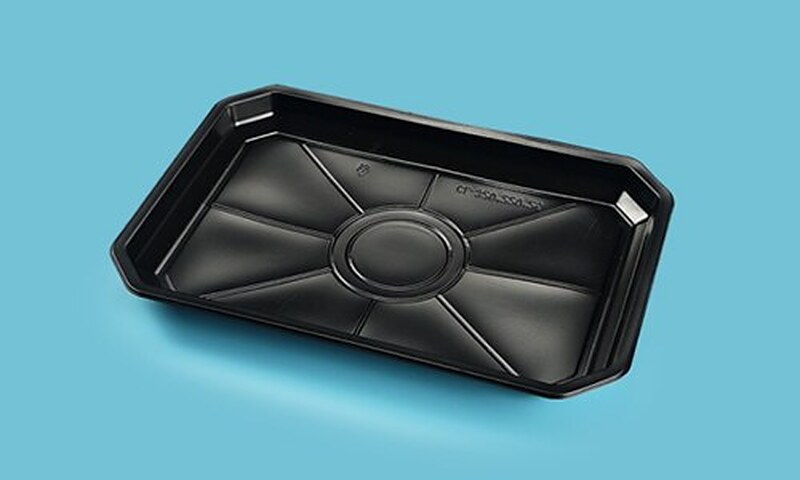
Frozen Food Tray Buying Guide: PP vs CPET, Sizes & MOQ
How to choose PP or CPET frozen food trays for dumplings, ready meals and steam buns — sizes, sealing compatibility, MOQ and…
Read guide →CPET vs PP for Frozen & Ready Meal Trays
How to choose between CPET and PP for frozen and ready-to-eat meal trays: oven safety, freezer performance, sealing…
Read guide →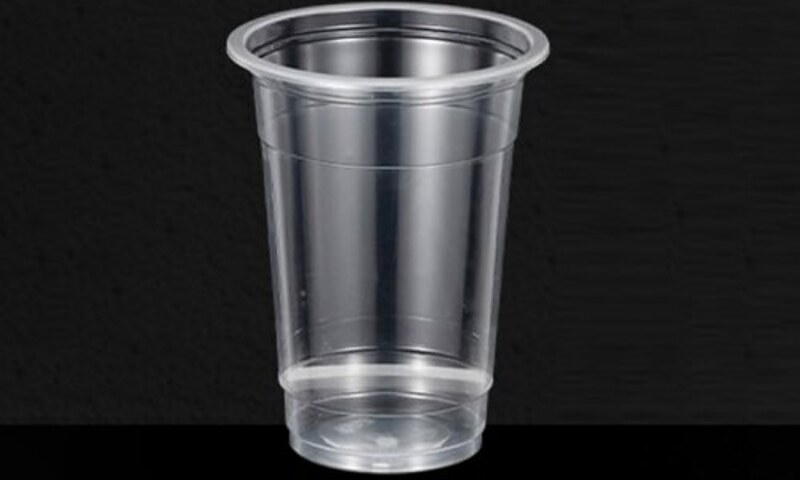
Plastic Cups & Portion Cup Buying Guide: PP vs PET, Sipper Lids…
How to specify wholesale plastic cups, portion cups and sauce cups: PP vs PET selection, hot-fill vs cold-fill, sipper and…
Read guide →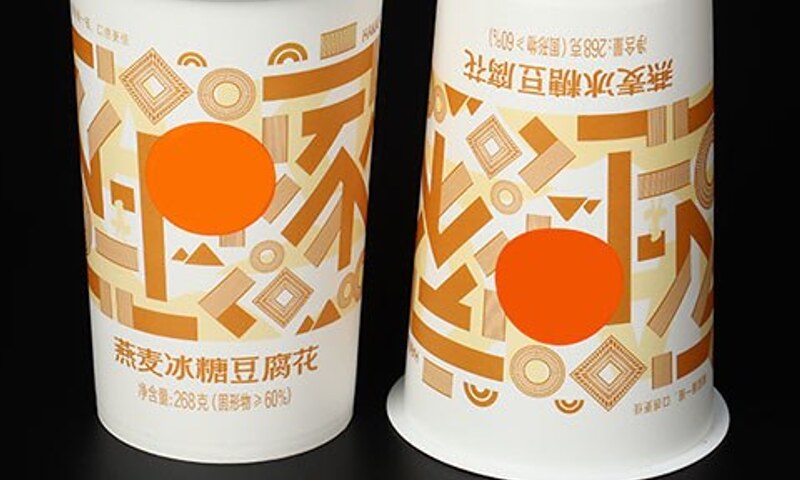
Custom Branding & Printing Guide for Food Packaging: Direct Print…
How to choose a branding method: direct offset/flexo printing vs printed labels vs shrink sleeves vs IML, Pantone color…
Read guide →