Short answer: anti-fog packaging uses a surface treatment, either a coating applied to the lid or film or an additive mixed into the plastic, so moisture forms a thin, transparent film of water instead of thousands of tiny droplets. Fog scatters light and hides the food; a sheet of water lets it show through. For sushi, salads, fresh-cut fruit, deli items and hot ready meals, the right anti-fog method keeps the product visible and the pack looking fresh. This guide explains how it works, what to specify and how to test it.
Why Fog Forms on Food Packaging
Fresh food gives off moisture. When the inside surface of a clear lid is cooler than the air in the pack, water vapour condenses as a pattern of small droplets. That is cold fog, typical of refrigerated salads, sushi, berries and cut fruit moving from the chill to a warmer display or a customer's bag. Hot fog is the opposite: warm food, such as a rotisserie chicken or a hot meal, releases steam that condenses on a cooler lid. Both look the same to the customer, but the engineering is different because hot fog needs a treatment that survives higher temperature and more water.
The droplets scatter light, so the lid looks frosted. Anti-fog treatments raise the surface energy of the plastic so water spreads out into a continuous clear layer, which then runs down the walls instead of beading. That does not remove the moisture; it makes it transparent.
Coating vs Additive: The Two Main Methods
| Feature | Anti-fog coating | Anti-fog additive |
|---|---|---|
| How it works | A thin surface layer applied to one side of the film or sheet | An agent mixed into the resin that migrates to the surface |
| Typical use | PET lids and sheet, OPS film, lidding film | PP, PE and some PET films |
| Strength | Strong and fast effect, especially against cold fog | No extra process step; works on both sides unless specified |
| Weakness | Only on the coated side; can be scratched or wiped off; must face the food | Effect can fade as the additive is used up; may affect sealing or printing |
| Best for | Salads, sushi, fruit, cold deli displays | Longer shelf life, thermoformed PP lids, some hot applications |
| Check carefully | Which side is treated and how it is protected on the roll | Additive type, dosage and effect on heat sealing |
Neither method is better in every case. The right answer depends on the base material, the temperature range and the shelf life. Our PET vs PP vs rPET guide compares the base materials.
Choosing the Base Material: PET, PP or OPS
- PET (APET): the standard for clear lids in cold display. Excellent clarity and good anti-fog results with a coating. See the anti-fog PET sushi tray with clear lid.
- PP: better for heat and for microwave use, but it is less clear. Anti-fog is typically an additive. Our microwave-safe packaging guide covers heat limits.
- OPS (oriented polystyrene): very clear and stiff and widely used for deli and bakery lids, usually with a coating. Check local rules and recycling schemes for polystyrene in your sales country.
- Lidding film: the thin film sealed on a tray; anti-fog can be on the sealing side or the inner side depending on the design. Our leak-proof lids and sealing film guide covers sealing.
Where Anti-Fog Matters Most
- Sushi and poke: chilled display and visual quality drive sales. See the sushi tray buying guide.
- Salads and deli: leafy greens give off moisture. The salad and deli guide and the clear PET salad bowl with leak-proof lid are relevant.
- Fresh fruit and cut fruit: berries respire; combine anti-fog with ventilation as in the fruit clamshell guide.
- Cold drinks with dome lids: see the clear PET cups with dome lids, where fog can hide toppings.
- Meal prep and bento: chilled or reheated meals; see the meal prep guide.
How to Test Anti-Fog Performance
There is no single test that proves a lid will not fog in every situation, so test the conditions your product really experiences. These practical checks are suggestions, not formal standards; document the conditions you use so tests can be repeated:
- Cold fog test: put a little water at room temperature in the container, close it with the lid and place it in a refrigerator at about 4 to 5 °C. Look at the lid after a few minutes, one hour and 24 hours. A good treatment forms a clear water film; a poor one forms beads or a haze.
- Temperature cycling: move the pack between the fridge and a warm room, as it would be when a customer takes it home.
- Hot fog test: for warm food, put hot water in the container, close the lid and watch for fog and condensate running off.
- Durability test: after 3, 6 and 12 months of storage under realistic conditions, repeat the cold fog test to check that the effect has not faded.
- Handling test: wipe or rub the treated side lightly, and run the lids through your normal packing line, to confirm that coating survives handling.
Common Problems and How to Avoid Them
- The treated side faces outward. The anti-fog layer must face the food. Mark the direction on the specification and in the packing instructions.
- Print or label on the treated side can block the effect. Print on the outer face and keep the inner face clean.
- Heat sealing issues. Some additives and coatings reduce seal strength; request sealing trials with your tray. See the sealing guide.
- Effect wears out. Check shelf life of the treatment and store lids in a cool, dry place.
- Over-promising. Anti-fog reduces visible fog; it does not remove the moisture or extend shelf life. For longer life, see the MAP guide.
Food-Contact and Compliance Notes
Anti-fog agents and coatings are additives that can reach the food, so they must be suitable for food contact in your sales market. Ask for the agent's food-contact statement and a migration test report on the finished lid; see the EU and FDA compliance guides. For EU recycled-content and recyclability rules, read the PPWR guide. Our factory operates under ISO 9001:2015 and BRCGS Packaging certification, and third-party SGS test reports are available on request, supplied as inputs to your own compliance file.
Buyer Checklist
- State the temperature profile: chilled, ambient, hot or cycling.
- Choose the base material and anti-fog method for that profile.
- Specify the treated side (inner) and how it is protected.
- Ask for fog test results at the conditions you will use, and run your own.
- Check seal strength and print adhesion with the anti-fog treatment.
- Request food-contact documents for the agent or coating.
- Confirm shelf life of the effect and storage conditions.
- Plan MOQ and lead time; see the MOQ guide.
How We Support Anti-Fog Programmes
We manufacture clear PET and rPET lids, bowls, sushi trays and cups in our own plant, with anti-fog options available on selected items. Tell us your food, display temperature and tray, and we will recommend a lid and treatment and arrange samples for your own fog and seal tests. Browse the sushi boxes and salad boxes, or contact our team. For delivery packs that also need a seal, see our tamper-evident packaging guide.
Buyer FAQ
How does anti-fog packaging work?
What is the difference between anti-fog coating and anti-fog additive?
Which side of the lid should have the anti-fog treatment?
Is cold fog different from hot fog?
Can anti-fog lids be used with PP and PET trays?
How can I test whether a lid really is anti-fog?
Questions about this guide?
Tell us your product, quantity and target market — our engineers will help you apply it to your project.
Related Guides
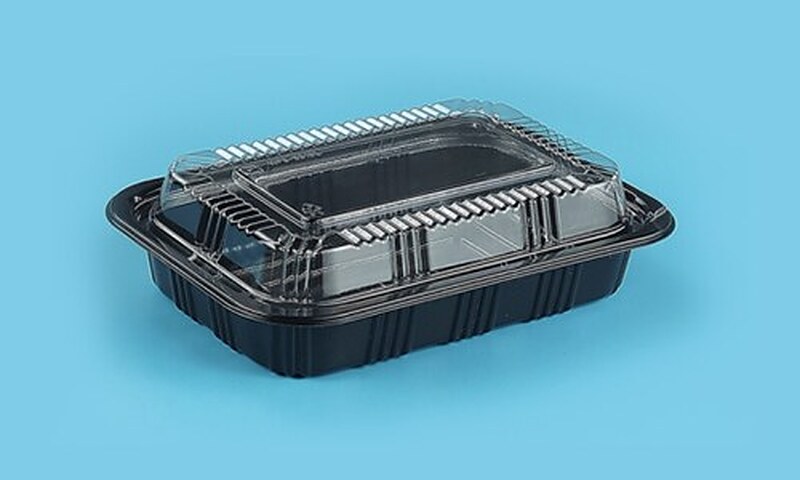
Sushi Tray Buying Guide: Anti-Fog Lids, Sizing and Display
How to specify sushi trays and poke bowls: anti-fog lid options, tray/lid sizing from hand rolls to platters, black-base vs…
Read guide →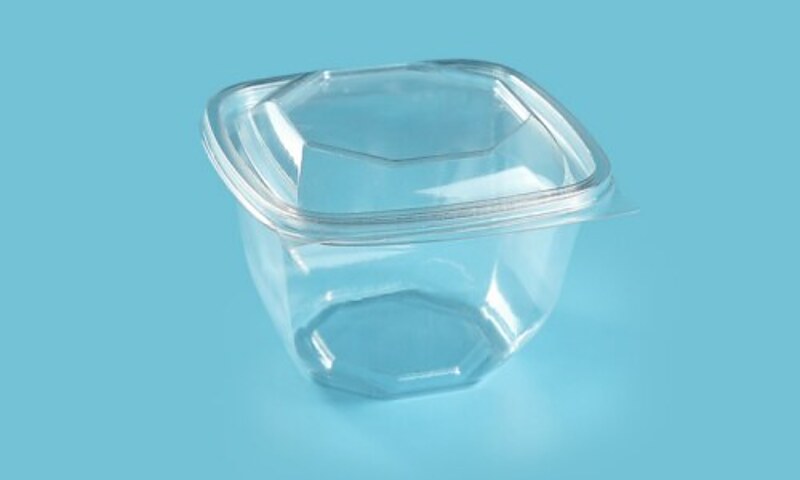
Salad & Deli Container Buying Guide: Leak-Resistant Lids,…
How to specify wholesale salad and deli containers: hinged vs bowl-and-dome formats, leak-resistant lid engineering,…
Read guide →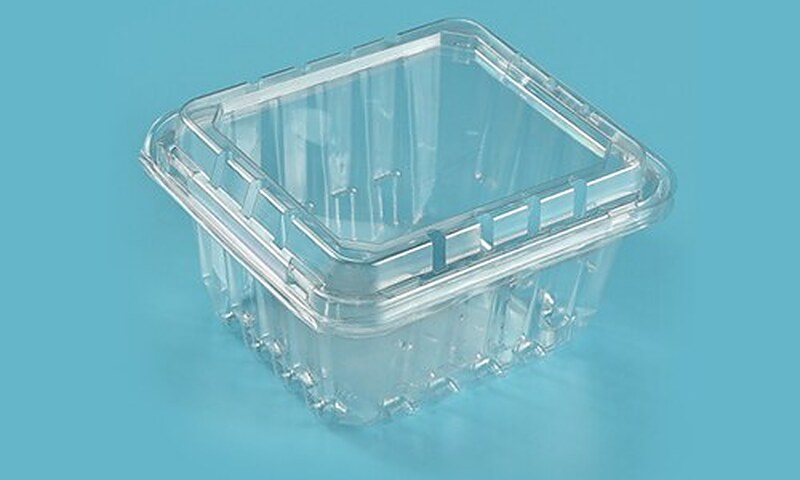
Fruit Clamshell Packaging Guide: Vents, rPET and Damage Control
How to specify vented PET and rPET fruit clamshells: venting science, stack and tamper features, berry capacities, receiving…
Read guide →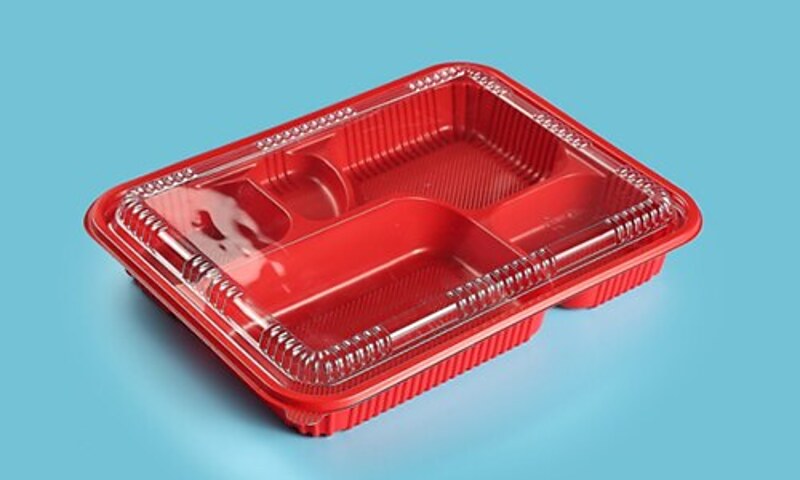
Leak-Proof Food Packaging: Snap Lids, Sealing Film and Tamper…
How to stop food containers leaking in delivery: snap-fit lids, heat-seal film, peelable seals, anti-fog, tamper evidence and…
Read guide →
Black Plastic Food Trays and Recycling: Why Carbon Black Fails Sorting and…
Black trays look premium, but carbon black can hide a tray from near-infrared sorting lines. Learn the options: detectable…
Read guide →