Short answer: the number printed on a food container, such as 16 oz or 500 ml, is usually its nominal capacity, not the amount of food it should hold. The brimful capacity (to the very top of the rim) is higher, and a sensible fill volume leaves some headspace so the lid closes and the food does not spill. To choose the right size, start from the food portion, convert units correctly, add headspace, then check how the container nests, stacks and fits in a carton. This guide shows you how.
Ounces and Millilitres: The Conversion You Need
US packaging is sold in fluid ounces (oz), while much of the rest of the world uses millilitres (ml). One US fluid ounce equals about 29.57 ml. This means 16 oz is about 473 ml, not 500 ml. A buyer in Spain asking for "500 ml" and a supplier quoting "16 oz" are not describing exactly the same container.
| US size (fl oz) | Approx. ml | Typical use |
|---|---|---|
| 2 oz | 59 | Sauce and dip portion cup |
| 4 oz | 118 | Dressing, dessert, side portion |
| 8 oz | 237 | Small salad side, soup cup, fruit cup |
| 12 oz | 355 | Soup, small bowl, cold drink |
| 16 oz | 473 | Standard deli container, small salad, bubble tea |
| 24 oz | 710 | Large soup or salad, large cold drink |
| 32 oz | 946 | Family-size deli, large salad bowl |
Metric ranges for round containers commonly step in 250, 500, 750 and 1000 ml. Check whether your market sells by weight or by volume, because the label law and customer expectations differ.
Nominal, Brimful and Fill Capacity
| Term | Meaning | Why it matters |
|---|---|---|
| Nominal capacity | The stated size in the catalogue, often rounded | The number you order by |
| Brimful capacity | Volume of liquid when filled to the top of the rim | Always larger than the useful fill |
| Fill (working) capacity | Volume of food you actually place, leaving headspace for the lid | The number your recipe should use |
| Headspace | Gap between the food surface and the lid | Prevents spills, crushed toppings and lid popping |
As a practical guide, many packers fill liquids and sauces to about 80 to 90 percent of brimful capacity, and dry or piled foods such as salads are filled to the rim level or slightly above, relying on a domed lid. These are starting points; always test with your real product and lid. Our leak-proof lid guide covers how lids and headspace affect leakage.
Portion Sizes by Food Type
Food density varies, so the same container holds different weights of different foods. These are common starting ranges for sizing; confirm against your recipe and local portion expectations:
| Food | Typical container | Notes |
|---|---|---|
| Side salad | 16 to 24 oz bowl with dome lid | Leafy foods are light and bulky, so volume matters more than weight |
| Main-course salad | 32 oz bowl or large rectangular container | Allow space for dressing in a separate cup; see the salad and deli guide |
| Soup | 12 to 16 oz cup or bowl | Choose a heat-resistant material and a vented or tight lid depending on use |
| Rice or noodle bowl | 24 to 32 oz | Hot fill needs PP; see the microwave guide |
| Meal prep (main plus sides) | 2 or 3 compartments, 800 to 1200 ml total | Compartment size matters more than total; see the meal prep guide |
| Sauce and dip | 1 to 4 oz portion cup | Lid style and tamper evidence matter; see the portion cup guide |
| Sushi set | Rectangular tray sized to the set | Size by footprint, not volume; see the sushi tray guide |
| Fresh meat | Sized by weight and cut, such as 250 g to 1 kg | Depth is critical; see the meat tray guide |
Round or Rectangular?
- Round containers have the strongest rim and seal with the simplest lids, and they nest tightly. They waste carton space and shelf space compared with rectangular boxes.
- Rectangular and square containers use fridge shelves and delivery bags more efficiently and suit sushi, sandwiches and meal prep. They need stronger corner design and may seal less reliably at corners.
- Compartment containers separate wet and dry items; see our fast food box guide.
Depth, Diameter and Footprint: Three Numbers That Matter
Capacity alone does not describe a container. Two 16 oz containers can differ a lot in diameter and height, which changes how food looks, how easily it is eaten, and how it fits in a bag or display. Ask for the three numbers: top outside diameter or length by width, height, and wall thickness. A shallow, wide container presents food well but takes more shelf and carton space. A deep, narrow container is stable in a cup holder but can crush toppings.
Size and Cost: Cartons, Pallets and Freight
Container size changes your costs in three ways. First, material usage: larger containers use more resin. Second, nesting height: a well-designed container nests with a small stack gap, so more units fit in a carton. Third, carton and pallet fit: a size that wastes space in the carton increases freight cost per piece. Our landed cost and container loading guide shows how to calculate this, and the gram weight guide shows how to reduce weight without making a container weak.
How to Choose the Right Size: Step by Step
- Define the portion in grams or ml, based on your recipe.
- Convert the units so you compare like with like (oz or ml).
- Add headspace for the lid and your fill method.
- Select the shape based on display, delivery and food type.
- Check material and temperature against hot, cold or frozen use.
- Request samples and fill them with the real food.
- Check carton fit and pallet loading before approving.
- Confirm MOQ and lead time for stock or custom sizes; see the MOQ guide.
Common Mistakes
- Mixing oz and ml in a purchase order.
- Using brimful volume as portion size, then finding the lid does not close.
- Choosing by volume only, ignoring depth and diameter.
- Ordering a stock size that wastes carton space when a slightly different size would cut freight.
- Not testing hot food in the container chosen for cold.
How We Can Help
We supply stock sizes from one carton and custom sizes from 30,000 to 100,000 pieces. Send us your portion weight, food type and target market, and we will suggest a size, shape and lid. Browse the salad boxes, cups and accessories and fast food boxes, or contact our team for samples.
Buyer FAQ
How many ml is 16 oz?
What is the difference between nominal and brimful capacity?
How full should a food container be filled?
What size container is best for salad?
Should I choose round or rectangular containers?
How does container size affect freight cost?
Questions about this guide?
Tell us your product, quantity and target market — our engineers will help you apply it to your project.
Related Guides
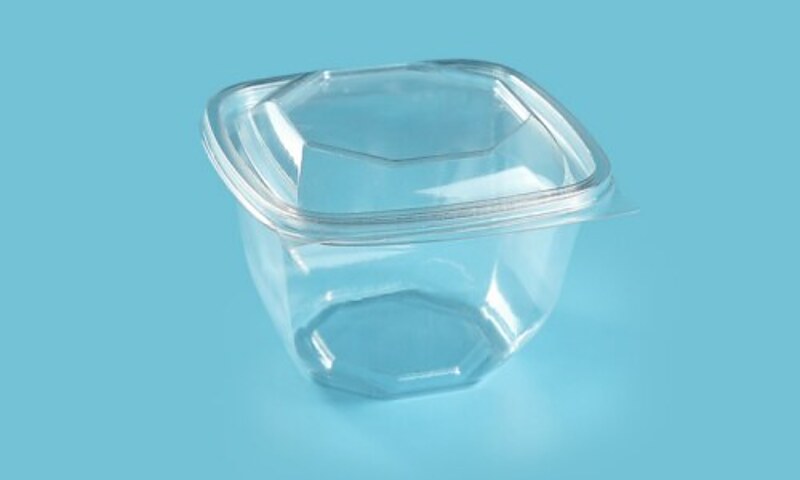
Salad & Deli Container Buying Guide: Leak-Resistant Lids,…
How to specify wholesale salad and deli containers: hinged vs bowl-and-dome formats, leak-resistant lid engineering,…
Read guide →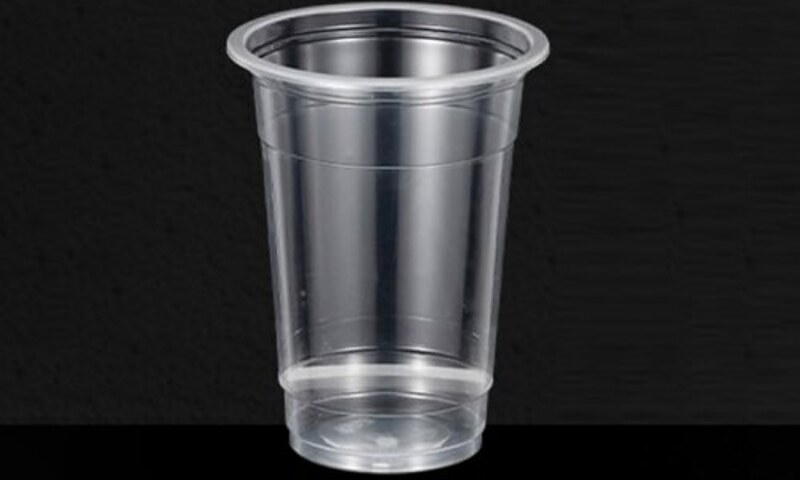
Plastic Cups & Portion Cup Buying Guide: PP vs PET, Sipper Lids…
How to specify wholesale plastic cups, portion cups and sauce cups: PP vs PET selection, hot-fill vs cold-fill, sipper and…
Read guide →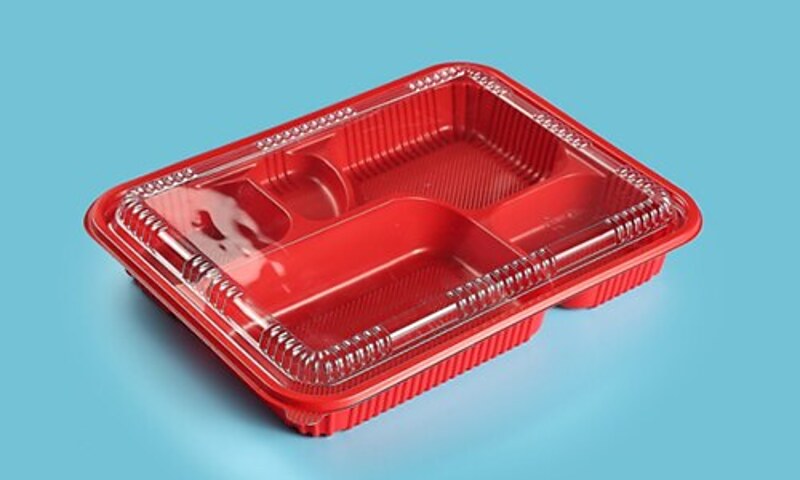
Meal Prep and Bento Containers: A Wholesale Buying Guide for Food…
How to choose meal prep and bento containers in bulk: compartment layouts, PP vs CPET vs paper, lid types, microwave and…
Read guide →
Food Packaging Landed Cost & Container Loading Guide: What One…
How to calculate the true landed cost of food packaging from China: FOB vs CIF vs DDP, cartons per 20GP/40HQ container, LCL vs…
Read guide →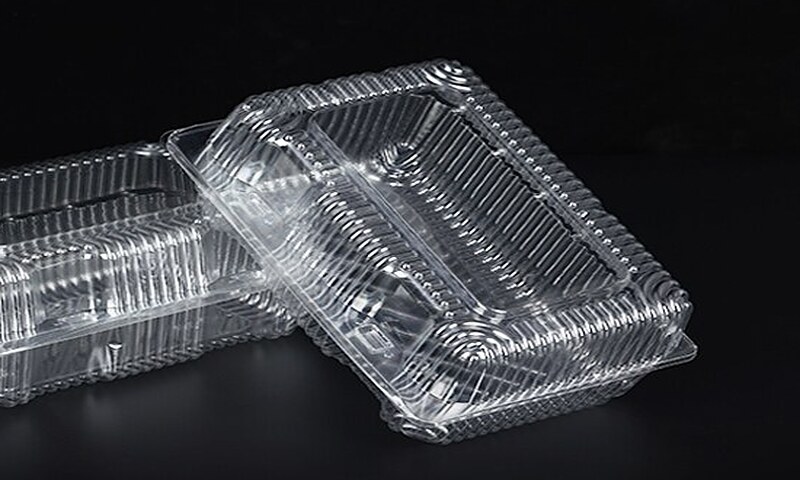
Food Packaging Migration Test Reports Explained: Overall vs Specific…
A migration report is the strongest proof that a tray or cup is safe for food. Learn what overall and specific migration mean,…
Read guide →How to Audit a Food Packaging Supplier: BRCGS Packaging, ISO 9001 and a…
Certificates only help if you know what they cover. A practical guide to verifying BRCGS Packaging and ISO 9001, auditing a…
Read guide →