Short answer: to audit a food packaging supplier, check three layers: certificates (what they cover, who issued them and whether they are current), systems (hygiene, traceability, quality control and complaint handling) and product evidence (test reports and samples for your exact item). A certificate is a starting point, not a guarantee. This guide explains what ISO 9001:2015 and BRCGS Packaging actually mean, how to verify them, and gives a factory audit checklist you can use on site or by video.
Why Supplier Auditing Matters for Food Packaging
Packaging that touches food is part of your food safety system. A contaminated resin lot, a missing batch record or an unapproved material change can become your recall. Retailers and importers increasingly expect evidence that packaging suppliers run a controlled process. The same discipline protects your margin: a factory with stable systems delivers consistent weight, dimensions and colour, which reduces claims. Our sourcing guide covers the full buying process; this article focuses on vetting the supplier.
What the Certificates Actually Mean
| Certificate | What it shows | What it does not show |
|---|---|---|
| ISO 9001:2015 | The factory runs a documented quality management system: procedures, internal audits, corrective actions and continual improvement | That the product is food safe, or that it meets any food-contact regulation |
| BRCGS Packaging | A recognised global standard for packaging manufacturers covering product safety, hygiene, traceability, HACCP-based risk control and site standards, audited by an approved certification body | That a particular item has passed migration tests, or that the factory issues your declaration of conformity |
| SGS (or other third-party) test reports | Test results for a specific item and material at a specific date | That a later batch or different colour is identical |
The right way to read this table: certificates describe the system; test reports describe the product. You need both.
How to Verify a Certificate
- Ask for the full certificate, not a logo. It should show the company name, site address, scope, standard and issue, grade where applicable, issue date and expiry.
- Match the site address to the factory you are buying from. Some certificates belong to a trading company or a different site.
- Check the scope. A BRCGS scope that lists rigid plastic thermoformed containers is relevant to trays; a scope for printing only is not.
- Check validity. Look at the expiry date and the audit date.
- Verify with the issuer. Certification bodies and, for BRCGS, the official directory allow you to check that a certificate exists and is valid. Use the certificate number the supplier gives you, and check by an independent route.
- Ask about the last audit result, including the grade and any non-conformities and how they were closed.
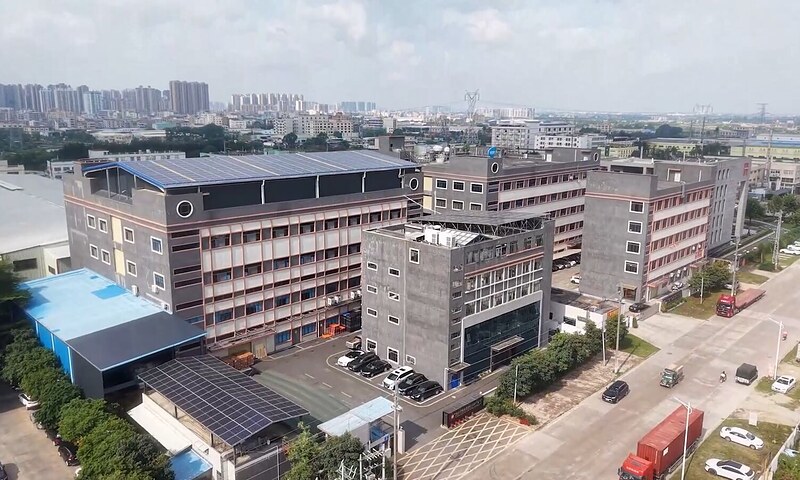
Our factory operates under ISO 9001:2015 and BRCGS Packaging certification, with third-party SGS test reports available on request. Certificate numbers and validity dates are supplied directly to buyers during supplier onboarding, so you can verify them yourself.
Factory Audit Checklist
Use this on site, with a third-party inspector or on a live video tour. Mark each item as seen, documented or not provided.
1. Raw materials and receiving
- Resin and sheet suppliers are approved and listed, with food-contact documents on file.
- Incoming lots are identified, sampled and stored separately from rejected material.
- Recycled or regrind material is controlled, labelled and never used where a food-contact specification prohibits it.
2. Production hygiene
- Production areas are clean, with controlled access, hair and jewellery rules, and pest control records.
- Thermoforming, extrusion and packing areas are separated from storage of waste and non-food materials.
- Glass, wood and brittle plastics are controlled and checked.
3. Process control
- Sheet gauge, forming temperature and trim are monitored and recorded at set intervals.
- Dimension, weight and visual checks are done at the line and recorded.
- Moulds are numbered, maintained and tracked; see our custom mould guide.
4. Traceability and change control
- A batch code links finished cartons to the resin lot, machine and date.
- A mock recall or traceability exercise can be shown.
- Changes in material, colourant, additive, supplier or process are approved and recorded before use.
5. Finished goods
- Packing, carton labelling and pallet standards are documented.
- Retained samples are kept for each batch.
- Final inspection follows an AQL plan; see the AQL inspection guide.
6. Complaints and corrective action
- There is a documented complaints process with root-cause analysis.
- Past complaints and responses can be shown in summary.
Documents to Request Before Ordering
- Company registration and factory address.
- Full ISO 9001:2015 and BRCGS Packaging certificates, with scope.
- Recent test reports for your exact item; read them using our migration report guide.
- Material declaration: resin, colourant, additives.
- Declarations of compliance for your sales market.
- A sample specification and approval form.
- Trade terms, lead time and payment terms; see the MOQ and lead time guide.
Remote Audit: What You Can Do by Video
If you cannot visit, a remote audit gets you most of the way. Ask for a live (not recorded) walk-through starting at the receiving dock, then production, then packing and storage. Request to see specific records on screen: a batch record for a recent order, the calibration records of the scales, and a retained sample. Add a third-party inspection company for a pre-shipment check; the AQL guide explains how.
Red Flags
- Trading company presented as a factory. Ask who owns the moulds and which address produces your order.
- Certificate logos without documents, or documents that name a different company or address.
- Everything is "compliant" but no test report is available.
- No batch coding on cartons.
- Unwilling to do a live video tour or to show records.
- Price far below the market with no explanation, which often means thinner gauge or recycled material of unknown source. Compare using our gram weight guide.
Scoring a Supplier
A simple scorecard helps compare suppliers fairly. Score each area from 0 to 3 and weight the ones that matter most to you:
| Area | Weight | Evidence |
|---|---|---|
| Certification and scope | 20% | Verified certificates, matching site and scope |
| Product test evidence | 25% | Item-specific, recent, accredited reports |
| Process control and traceability | 25% | Records seen, batch coding, change control |
| Sample and spec accuracy | 15% | Samples match specification |
| Communication and delivery | 15% | Clear answers, realistic lead times |
Next Steps
Run the checklist, order samples, then place a small trial order before moving to full volume. For import steps, costs and logistics see the landed cost guide and the import guide for Spain and Latin America. To request our certificates and sample documents, contact our team or see the factory and quality page.
Buyer FAQ
What does BRCGS Packaging certification mean?
Does ISO 9001 mean the packaging is food safe?
How do I verify a supplier's certificate?
Can I audit a food packaging factory without visiting China?
What documents should a food packaging supplier provide?
What are the main red flags when choosing a packaging supplier?
Questions about this guide?
Tell us your product, quantity and target market — our engineers will help you apply it to your project.
Related Guides
How to Source Food Packaging from a Manufacturer in China: MOQ,…
A step-by-step guide for buyers sourcing disposable food packaging direct from a Chinese factory: stock vs custom MOQ, tooling…
Read guide →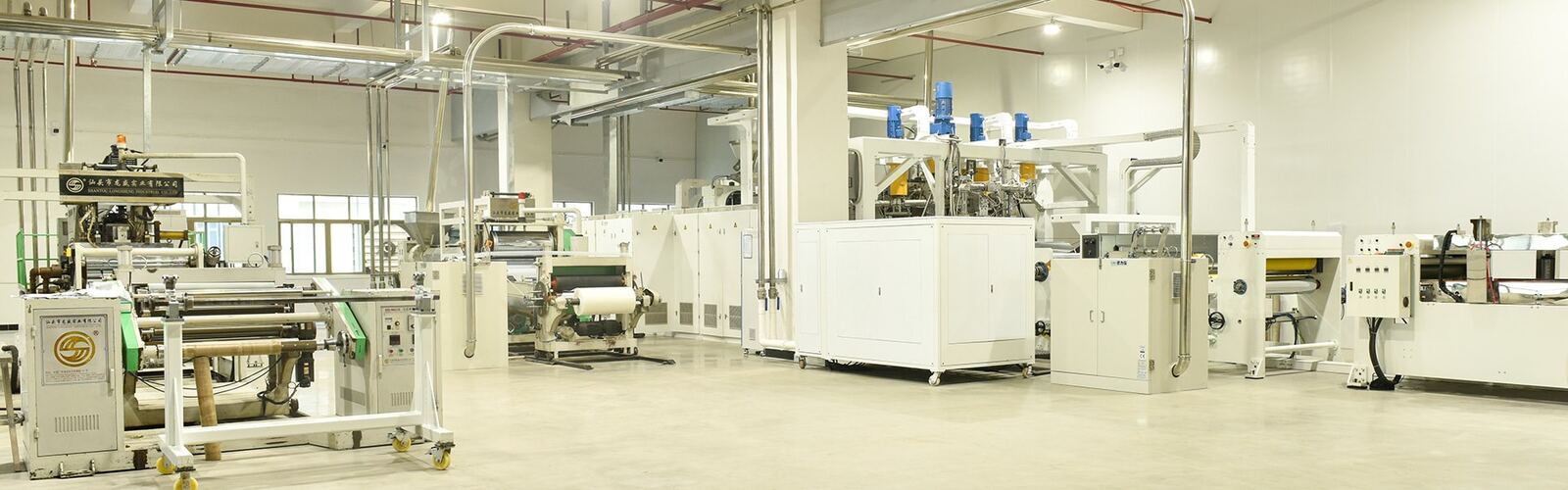
Incoming Quality Inspection & AQL Guide for Imported Food Packaging
How importers inspect food packaging before and after shipment: AQL sampling, critical/major/minor defects, pre-shipment…
Read guide →
Food Packaging Migration Test Reports Explained: Overall vs…
A migration report is the strongest proof that a tray or cup is safe for food. Learn what overall and specific migration mean,…
Read guide →Food Packaging MOQ, Pricing and Lead Time: A Buyer's Negotiation…
Why food packaging MOQs exist, what drives unit price, how tooling and printing change lead time, and how to negotiate smaller…
Read guide →
Food Container Sizes and Capacity: oz to ml Conversion, Nominal vs Brimful…
A '16 oz' container rarely holds 16 oz of food. Learn nominal vs brimful capacity, oz to ml conversion, headspace rules,…
Read guide →